
INTRODUCTION
Heart failure (HF) is one of the common cardiovascular disorders which affects patients physically and mentally. HF decreases quality of life, increases the burden of care, hospitalization rates, and mortality. 1 - 3 The American Heart Association (AHA) reported that there would be a 46 percent increase in the prevalence of HF between 2012 and 2030, which will affect more than 8 million people. The total population of patients with HF is projected to increase from 2.4% to 3% during that period. 4 Despite the availability of medical treatment and supportive care, the rate of hospitalization of these patients remains high. 5 , 6 Approximately 25% of patients with HF return to the hospital within the first 30 days after discharge, and more than half of patients are readmitted within the first six months. 5 , 7 Therefore, it severely affects the patient, family, and care systems.
Quality of life is a multidimensional concept influenced by disease severity and stage, life satisfaction, and socioeconomic factors. Complications such as fatigue, depression, anxiety, edema, shortness of breath, and prolonged treatment processes have a severe and negative impact on patients’ quality of life. HF also increases hospitalization rates, mortality rates, and treatment costs. 8 - 10 A meta-analysis on the quality of life of patients with chronic HF revealed a low average quality of life. 9 One of the factors that influences the quality of life of patients with HF is self-care behaviors. Self-care is a set of behaviors that a person takes to maintain and improve their health. Evidence has shown that the better the level of self-care, the better the quality of life. 11 Previous studies have shown the low level of self-care of patients with HF. 12 - 14
Self-management encompasses various aspects of an individual’s life and refers to the individual’s abilities and strategies he/she adopts to achieve his/her goals. In the health field, this concept refers to the individual’s ability to control the symptoms of the disease, manage and participate in treatment, control physical and mental events, and make lifestyle changes to adapt to chronic conditions. 15
Self-management education refers to programs where patients can learn strategies to have a less stressful life and more energy, and maintain their functional status despite illness. Self-management education successively increases a person’s ability to cope with symptoms, manage fatigue and stress, reduce depression, manage medications, eat healthily, and be active. These programs are helping people to learn key strategies such as setting goals and self-monitoring, which in turn creates the ability to make appropriate decisions about one’s health and ultimately improve his/her health. 16
Over the past decades, due to technological innovation, the length of hospital stay has decreased, the time nurses have to spend educating patients has been decreased , and research shows that patients have inadequate knowledge of their disease at discharge. 17 One of the essential principles in adult education is assessment of the learner’s readiness, including physical, mental, temporal, and spatial readiness for learning. Accordingly, education provided without considering these principles cannot be effective. Education via podcast and videocast is one of the new methods of teaching and transmitting information that allows people to access content whenever they are ready to learn. Among the benefits of e-learning tools is the flexibility it provides to the learners with access to information at a time and place convenient for them while involving multiple senses. 18 , 19 Because patient education in clinical settings is usually done in less-than-ideal conditions, patient education through videocast allows people to control the where and when of the education. This increases their readiness and concentration when receiving information. Therefore, videocast provides an excellent alternative to education in the clinical setting because the patients always have access to the information, and whenever they forget something, they can access the content. 19 , 20
Few studies have been conducted on the use of videocast for patient education on health outcomes. A study showed that video education could significantly increase the patients’ knowledge and self-care maintenance. Despite this self-efficacy and self-care management, readmission within 30 days has not significantly changed. They recommended more studies in this area. 21 Given that there is insufficient evidence for the effectiveness of self-management education by videocast, the present study was conducted to investigate the impact of self-management education by videocast on quality of life, self-care behaviors, and readmission in patients with HF.
MATERIALS AND METHODS
This is a single-blind, randomized clinical trial that employed a pretest-posttest design, conducted from December 2019 to January 2021. The study population was patients with a diagnosis of HF referred to the heart clinic of Imam Khomeini Hospital Complex in Tehran, Iran. Inclusion criteria were: a confirmed diagnosis of heart failure according to the American Heart Association classification (class II or III, ejection fraction <50%) by a cardiologist; literacy in Persian; absence of cognitive impairment (based on medical records or clinical assessment by the treating physician); no use of psychiatric medications (self-report or medical records); no participation in self-management training programs in the past year; no hearing, vision, or other physical disabilities (e.g., severe mobility limitations) that could interfere with study participation; and access to a personal computer, tablet, or smartphone and the ability to use it, or cohabitation with a companion who had such access.
Participants were excluded if they withdrew from the study, or developed serious health conditions (e.g., acute cardiac events or other life-threatening complications) that resulted in hospitalization or death.
The primary outcome in this study was self-care behavior, and the secondary outcomes were quality of life and readmission. The sample size was determined using the following formula to detect a difference between the means of the two groups. We aimed to observe at least a 5-point difference in self-care behaviors between the two independent groups, with a 95% confidence level and 80% statistical power, considering a standard deviation of 4.83. 22 Based on these parameters, the estimated sample size was 15 participants per group. Accounting for a 20% potential sample loss, the required sample size was adjusted to 19 participants per group:
As a result, 38 eligible patients were randomly allocated to the control or intervention groups. Of 38 participants recruited and randomized to either the intervention or control group, 3 were lost to follow-up (two from the intervention group and one from the control group). Finally, the participants (17 in the intervention group and 18 in the control group) completed the study (Figure 1).
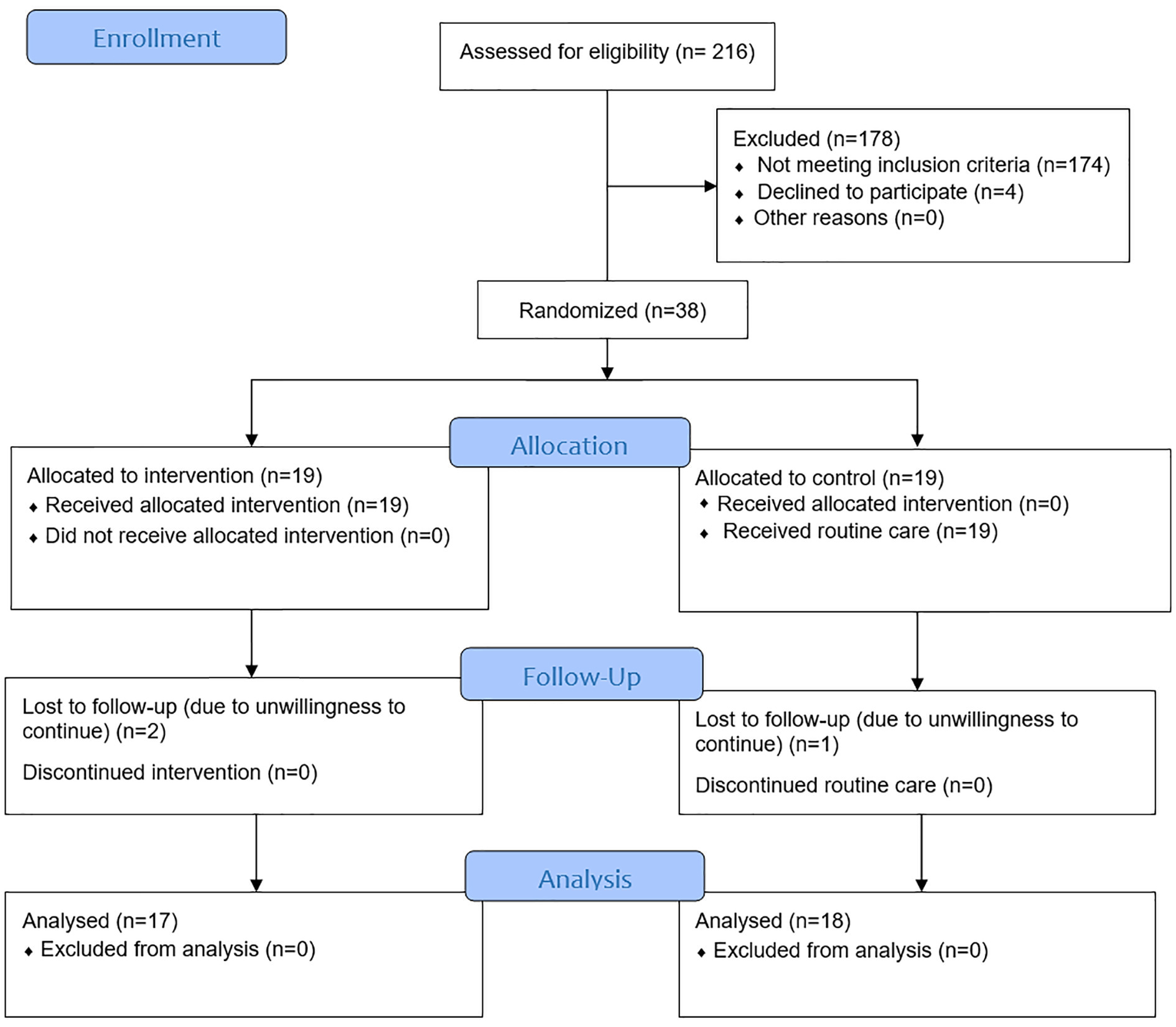
Figure 1. CONSORT flow chart of the participants of the study.
In this study, non-probability sampling was performed. The researcher attended the heart clinic of Imam Khomeini Hospital Complex of Tehran University of Medical Sciences on different days of the week. Each of the patients with HF who met the inclusion criteria and signed the written informed consent to participate in the study on that day was included in the research sample.
Block randomization with a fixed block size of four was used. For two groups (A and B), six possible allocation sequences (AABB, ABAB, ABBA, BABA, BAAB, BBAA) were defined and numbered from 1 to 6. We repeatedly tossed a fair six-sided dice 10 times (sampling with replacement), and each outcome (1–6) corresponded to one of the six predefined blocks. Eligible participants were then assigned to the intervention and control groups according to this sequence. The data relating to the study groups were coded and covered for the statistician. The single-blind nature of the trial was ensured by masking group names before providing the statistical analyst with the data. The study was reported in accordance with the CONSORT guidelines.
The patient demographic and clinical data were gathered by a researcher-made form. The nine-item European Heart Failure Self-care Behavior scale (EHFScB-9), 23 the Minnesota Living with Heart Failure Questionnaire (MLHFQ), 24 and a form to record readmission were used to collect the data.
Demographic characteristics, like age, sex, marital status, level of education, and employment status, were considered. The clinical questions were duration of illness, history of diabetes, respiratory disease, hypertension, number of prior hospitalizations due to HF, and the number and duration of medications used.
EHFScB-9 was used to assess patient self-care behaviors. This questionnaire consists of nine questions, with responses rated on a 5-point Likert scale. The total score ranges from 9 to 45, where lower scores indicate better self-care practices. Validity was confirmed through interviews with experts and patients with HF, item analysis, confirmatory factor analysis, and examination of the relationship between the EHFScB scale and other scales measuring quality of life and adherence. The scale demonstrated good construct validity, showing strong correlations with related constructs such as quality of life and adherence. The reliability estimates for the total nine-item scale (EHFScB-9) were satisfactory (0.80), and Cronbach’s alpha varied between 0.68 and 0.87 in the different countries. 23 The Persian version of the 9EHFScB was translated and validated by Negarandeh et al., with a reported content validity index of 0.96. Exploratory factor analysis confirmed a single factor structure, and strong positive correlation (r=0.753) with the Self-Care of Heart Failure Index (SCHFI), indicating good criterion validity. The scale demonstrated high internal consistency (Cronbach’s alpha=0.728) and excellent test-retest reliability (0.897), making it a reliable tool for Persian-speaking patients with HF. 25
MLHFQ was used to evaluate the quality of life of patients with HF. This questionnaire includes 21 questions that measure the physical, psychological, and socioeconomic orientations caused by the HF symptomsin the past month. Each item is scored on a 6-point Likert scale ranging from 0 to 5. The number zero indicates the best condition, and the number 5 indicates the worst condition; Therefore, the minimum score obtained from this questionnaire will be zero, the maximum will be 105, and the higher the patient’s total score, the poorer the quality of life. 24 A study has shown strong correlations between MLHFQ scores and related constructs such as physical health, mental health, and overall quality of life, demonstrating solid construct validity. 26 The original MLHFQ has shown high internal consistency and test-retest reliability, indicating that it consistently measures the intended construct. 24 After acquiring the free Student Use License from the website (http://mlhfq.org/), it was translated into Farsi using the backward-forward procedure. In a study in Iran, it shows strong construct validity, high internal consistency with a Cronbach’s alpha of 0.95, and test-retest reliability 0.90, confirming its reliability in measuring the quality of life for Persian-speaking patients with HF. 27 Reliability of 9-EHFScB and MLHFQ was evaluated in the present study by test-retest and Cronbach alpha methods for questionnaires. The intraclass correlation coefficients were 0.96 (95% CI: 0.89, 0.98) and 0.91 (95% CI: 0.77, 0.96), and Cronbach’s alpha were 0.91 and 0.9 for 9-EHFScB and MLHFQ questionnaires, respectively.
Regarding the readmission rate, patients were asked about their hospitalization for heart disease during the two-month follow-up period, and their answers were recorded as yes or no.
The script of four videocasts was prepared based on the Medline Plus health topic for HF 28 with the advice of a cardiologist and a virtual education specialist. Then, educational content tailored to the needs of patients for self-management and guidelines for patients with HF. Each videocast was designed to be concise and engaging, with a maximum duration of 10 minutes to accommodate the attention span and learning preferences of the target audience. Table 1 shows the training content of each videocast separately.
| Videocast I | Definition of heart failure, its types, diagnosis, and treatment |
| Videocast II | Familiarity with heart failure drugs, management of drug use (correct use of drugs, side effects, and identification of drug toxicity). |
| Videocast III | Lifestyle modification (sleep, activity, exercise and stress, nutrition, fluid management, smoking, and other high-risk behaviors). |
| Videocast IV | Training for monitoring and taking appropriate actions to threaten signs (changes in blood pressure, weight, awareness of warning signs and appropriate actions based on symptom severity). |
Patients with HF were first examined as toinclusion and exclusion criteria. If they were eligible to participate in the study, they were given information about the objectives and the study process. After each participant signed the informed consent, he/she completed the pre-test questionnaires, including demographic and clinical information, the 9-EHFScB, and the MLHFQ. Patients in the intervention group were sent four weekly videocasts, in addition to receiving routine care, through social networking applications (e.g., WhatsApp and Telegram) used by the patient’s or his/her companion’s personal computer, tablet, or smartphone. Eight weeks after the last videocast was sent, the patients were asked to fill out the 9-EHFScB and MLHFQ questionnaires and explain about their readmission during the follow-up period. Overall, the follow-up duration from the start of the intervention to the final assessment was 12 weeks (approximately three months). The participants in the control group received routine care, including periodic doctor visits.
To minimize information contamination between the two groups, we instructed the participants not to share the educational videocasts or related materials, and the intervention content was delivered individually through personal social network accounts.
Descriptive statistics, including frequency, percentage, mean, standard deviation, and inferential statistics, were used for data analysis. The Kolmogorov-Smirnov test was used to determine the normality of the data. Chi-square, Fisher’s exact test, and independent t-test were used to compare the demographic and clinical characteristics of the two groups at baseline. The Mann-Whitney U test was also used to compare the disease duration and the medication use duration, showing no normal distribution. A paired t-test was employed to compare the mean scores of self-care behaviors and quality of life within the groups. An independent t-test was utilized to assess the difference in the mean scores of self-care behaviors and quality of life between the groups. A Chi-square test was used to compare the readmission experience in the two groups. The significance level was set to <0.05. All analyses were performed using the IBM SPSS version 25.
This study was performed in compliance with the World Medical Association Declaration of Helsinki on Ethical Principles for Medical Research Involving Human Subjects and reviewed by the Tehran University of Medical Sciences’ Ethics Committee with approval code of IR.TUMS.VCR.REC.1398.213.
Written informed consent was obtained from all participants before enrollment. The participants were informed about the study objectives, procedures, potential benefits and risks, confidentiality of their information, and their right to withdraw from the study at any time without any consequences for their routine care. To ensure confidentiality and anonymity, we collected and stored the data using coded identifiers without personal identifiers, and access to the data was restricted to the research team. This study was registered with IRCT20190717044249N1 in the Iranian Registry of Clinical Trials.
RESULTS
The results showed that the mean age of the patients with HF in the control group was 60.33±8.57 years, and in the intervention group it was 63.29±8.74 years. Most of the participants in both groups were men, 15(83.33%) in the control group and 14 (82.35%) in the intervention group. The mean number of medications used by patients was 7.05±3.68 in the control group and 7.76±2.51 in the intervention group. The median duration of drugs used was 18 months for the patients in the control group and 12 months for those in the intervention group. The median disease duration was 18 months in the control group, and 36 months in the intervention group. Table 2 presents a comparative analysis of the demographic and clinical characteristics of the two groups, demonstrating that there are no statistically significant differences in participants’ baseline characteristics between the groups (P>0.05).
| Variable | Control group Mean±SD | Intervention group Mean±SD | P value | |
|---|---|---|---|---|
| Age (year) | 60.33±8.57 | 63.29±8.74 | 0.31* | |
| Number of drugs used | 7.05±3.68 | 7.76±2.51 | 0.51* | |
| N(%) | N(%) | |||
| Sex | Female | 3(16.67) | 3(17.65) | 0.99** |
| Male | 15(83.33) | 14(82.35) | ||
| Marital status | Single | 0(0) | 0(0) | 0.99*** |
| Married | 17(94.44) | 16(94.12) | ||
| Widow | 0(0) | 1(5.88) | ||
| Divorced | 1(5.56) | 0(0) | ||
| Education status | Reading and writing | 11(61.11) | 4(23.53) | 0.16** |
| Lower secondary school | 2(11.11) | 2(11.76) | ||
| Diploma | 4(22.22) | 8(47.06) | ||
| Academic | 1(5.56) | 3(17.65) | ||
| Employment status | Officer | 1 (5.56) | 2 (11.76) | 0.35*** |
| Worker | 0 (0) | 1 (5.88) | ||
| Self-employment | 6 (33.33) | 5 (29.41) | ||
| Housewife | 3 (16.67) | 1 (5.88) | ||
| Unemployed | 3 (16.67) | 0 (0) | ||
| Retired | 5 (27.77) | 8 (47.07) | ||
| Diabetes | Yes | 5 (27.78) | 4 (23.53) | 0.99** |
| No | 13 (72.22) | 13 (76.47) | ||
| Chronic Obstructive Pulmonary Disease | Yes | 3 (16.67) | 1 (5.88) | 0.60** |
| No | 15 (83.33) | 16 (94.12) | ||
| Hypertension | Yes | 9 (50.00) | 5 (29.41) | 0.30*** |
| No | 9 (50.00) | 12 (70.59) | ||
| Number of prior hospitalizations due to heart failure | 1-2 | 14 (77.78) | 11 (64.70) | 0.57** |
| 3-4 | 1 (5.56) | 3 (17.65) | ||
| More than 5 | 3 (16.66) | 3 (17.65) | ||
| Median( IQR ) | Median(IQR) | |||
| Duration of drugs used (month) | 18(41) | 12(31.50) | 0.93**** | |
| Duration of the disease (month) | 18(74) | 36(145.50) | 0.40**** | |
| *Independent t-test; ** Chi-square test; *** Fisher’s exact test; ****Mann-Whitney U test | ||||
The mean scores for self-care behaviors among patients with HF in the pre-test were 26.83±8.77 in the control group and 24.35±5.84 in the intervention group. The results of the independent t-test showed that there was no significant difference between the control and intervention groups in terms of self-care scores at baseline (P=0.33). After two months, comparisons of the intervention and control groups showed a statistically significant change in self-care behaviors (P=0.001) (Table 3).
| Variable | Control group (N=18) Mean±SD | Intervention group (N=17) Mean±SD | Mean difference (95% CI) | P value | |
|---|---|---|---|---|---|
| Self-care behavior | Pre-test | 26.83±8.77 | 24.35±5.84 | 2.48 (-2.68,7.64) | 0.33** |
| Post-test | 27.66±8.19 | 17.70±4.51 | 9.96 (5.40,14.51) | 0/001** | |
| P value* | 0.290 | <0.001 | |||
| Quality of life | Pre-test | 43.66±20.77 | 34.29±14.80 | 9.37 (-2.89,21.64) | 0.13** |
| Post-test | 42.00±24.32 | 20.76±14.63 | 21.23(7.42,35.04) | 0/004** | |
| P value* | 0.582 | < 0.001 | |||
| N (%) | N (%) | Relative Risk (95% CI) | |||
| Readmission | Yes | 5 (27.78) | 0 (0) | 2.30 (1.53-3.47) | 0.04*** |
| No | 13 (72.22) | 17 (100) | |||
| *Paired t-test; ** Independent t-test; *** Chi-Square Tests | |||||
The mean score of quality of life among patients with HF in the pre-test was 43.66±20.77 in the control group and 34.29±14.80 in the intervention group. The independent t-test showed that there was no significant difference between the control and intervention groups in terms of quality-of-life scores at baseline (P=0.13). However, in the post-test, the intervention and control groups were significantly different in terms of quality of life (P=0.004) (Table 3).
The results showed that 27.78% of the patients in the control group were readmitted for HF during the follow-up period, and none of the patients in the intervention group was hospitalized in the same period. The chi-square test results showed that the intervention could significantly affect the readmission of patients with HF (P=0.04) (Table 3).
DISCUSSION
This study examined the effect of self-management training by videocast on self-care behaviors, quality of life, and readmission in patients with HF. Two months after implementation of the intervention, there was a significant difference in self-care behaviors, quality of life, and readmission between the two groups. Self-management education by videocast improved self-care behaviors and quality of life in the intervention group. It also significantly decreased the chance of readmission for patients in the intervention group.
A study showed the effectiveness of a home tele-monitoring system on improving self-care behaviors and reducing readmission rates among patients with HF. Self-care behaviors of the patients in the intervention group improved three months after the start of the intervention, and none of the patients was readmitted, whereas 13% of the control group subjects were readmitted. 29 The findings align with the present study, but the videocast-based intervention provided an additional advantage by integrating educational content in a visually engaging and easily accessible format, making it particularly suitable for elderly patients with HF. In contrast, the results of a study that assessed the effectiveness of an avatar educational application for improving heart failure patients’ knowledge and self-care behaviors were not in the same line with those of the present study. In the 90-day follow-up, knowledge in the intervention group increased significantly; this difference was not significant in relation to the two variables of self-care behaviors and readmission between the two groups. 30 This discrepancy may be attributed to differences in the intervention design, as the videocasts in the present study were highly tailored and focused on delivering concise, actionable content, which likely contributed to better patient engagement and outcomes.
A clinical trial conducted to evaluate the impact of the tele-monitoring program compared to standard care to prevent mortality and readmission in patients with HF found no significant difference in readmission and mortality of patients with HF in the 18-month follow-up. 31 This is inconsistent with the present study. The present study success may be attributed to its focus on patient education through an interactive and engaging format, whereas tele-monitoring alone may not sufficiently empower patients to adopt better self-care behaviors.
A research investigated the effect of patient-centered home-based management of HF on self-care behaviors, health-related quality of life, patient knowledge, and reduction of hospitalization days due to HF. Results revealed that patient self-care and quality of life improved significantly, and the intervention group spent fewer days in the hospital due to HF than the control group. 32 A non-randomized controlled clinical trial that assessed the effect of self-management education on quality of life in patients with chronic HF showed that self-management education using the multi-method approach and multimedia led to improved quality of life in patients with HF. 33 Therefore, healthcare providers, especially nurses, should consider different methods of educating patients, according to patient preferences, to improve the quality of life. Unlike the present study, another study aimed to evaluate a patient-centered self-management educational group program for patients with chronic systolic HF; the findings revealed no significant between-group intervention effects on patients’ health-related quality of life. 34 This discrepancy could be due to differences in the intervention content, intensity, and delivery setting.
Additionally, a systematic review and meta-analysis assessed the impact of distance education on the readmission of patients with heart failure. The study concluded that distance education interventions, particularly those utilizing multimedia formats, significantly reduced readmission rates and enhanced patient engagement. 19 These findings further validate the effectiveness of the videocast format used in the present study, particularly for elderly patients with HF.
Chronic disease management goals are to minimize symptoms, improve quality of life, and prevent unnecessary hospitalizations. The goals of self-management education include helping patients to identify their skills and abilities, making good decisions about their health, performing self-care behaviors, maintaining a healthy lifestyle, and ultimately controlling their chronic condition. According to the present study results, implementing self-management education by sending a videocast can enable the patient to control the disease through better self-care behaviors, which leads to lower readmission and improved quality of life. This can lead to a reduction in the costs associated with readmission. 35
The innovation of this study lies in its tailored use of videocasts to address the educational needs of patients with HF, particularly the elderly. Designed with motion graphics and limited to 10-minute sessions, the videocasts were engaging, flexible, and accessible, enabling patients to learn at their own pace and revisit content as needed. Unlike traditional methods, this approach addressed cognitive and physical challenges faced by elderly patients, enhancing knowledge retention and empowering self-management.
Several limitations affect interpretation. The small sample and single-center design limit statistical power and generalizability to diverse or rural populations. Self-reported self-care and quality-of-life outcomes risk social desirability and recall biases, despite validated scales. Although readmission data were objective (from records), the short 2-month follow-up precludes assessing long-term effects.
CONCLUSION
The results of the present study demonstrate the positive effect of self-management education by videocast on enhancing self-care behaviors and quality of life and reducing readmission of patients with HF. Due to the increasing use of the Internet and social networks, self-management education can be effectively done using videocast. Patient self-management education is important, and health policymakers should note these findings. Videocast is a novel and efficient educational method that can reduce healthcare costs. We recommend multi-center trials with larger samples and extended with long-term follow-up (6 and 12 months) to assess the extended effect of self-management education by videocast.
Acknowledgment
The authors would like to thank the physicians and nurses of the heart clinic of Imam Khomeini Hospital Complex of Tehran University of Medical Sciences for their cooperation in conducting this study, and sincerely appreciate the patients who participated and contributed to this research.
Authors’ Contribution
SR and RN were responsible for the conceptualization and design of this study. SR, RN, MZ, MM, and NGGB contributed to the literature review. Data collection was conducted by SR. RN undertook the statistical analysis. SR and NGGB drafted the manuscript and reference check. All authors critically reviewed and approved the final version of the manuscript. All authors take responsibility for the integrity of the data and the accuracy of the data analysis. The corresponding author attests that all listed authors meet authorship criteria and that no others meeting the criteria have been omitted.
Funding Source
This research has been supported by the Nursing & Midwifery Care Research Center, Tehran University of Medical Sciences [Grant number 25671].
Conflict of Interest
None declared.
Declaration on the use of AI
The authors used an AI-assisted language tool (ChatGPT 5.2, OpenAI, San Francisco, USA) solely for language and clarity. All conceptual content, data analysis, and interpretation were conducted solely by the authors.
References
- Arrigo M, Jessup M, Mullens W, et al. Acute heart failure. Nat Rev Dis Prim. 2020; 6:16.
- Savarese G, Becher PM, Lund LH, et al. Global burden of heart failure: a comprehensive and updated review of epidemiology. Cardiovasc Res. 2023; 118:3272-87.
- Johansson I, Joseph P, Balasubramanian K, et al. Health-related quality of life and mortality in heart failure: the global congestive heart failure study of 23 000 patients from 40 countries. Circulation. 2021; 143:2129-42.
- Virani SS, Alonso A, Aparicio HJ, et al. Heart Disease and Stroke Statistics-2021 Update: A Report From the American Heart Association. Circulation. 2021; 143(8):e254-e743.
- Khan MS, Sreenivasan J, Lateef N, et al. Trends in 30-and 90-day readmission rates for heart failure. Circ Hear Fail. 2021; 14:e008335.
- Osenenko KM, Kuti E, Deighton AM, et al. Burden of hospitalization for heart failure in the United States: a systematic literature review. J Manag care Spec Pharm. 2022; 28:157-67.
- Virani SS, Alonso A, Benjamin EJ, et al. Heart disease and stroke statistics—2020 update: a report from the American Heart Association. Circulation. 2020; 141:e139-e596.
- Khajehpoor MH, Shahrbabaki PM, Nouhi E. Effects of a home-based palliative heart failure program on quality of life among the elderly: a clinical trial study. BMC Palliat Care. 2023; 22:130.
- Moradi M, Daneshi F, Behzadmehr R, et al. Quality of life of chronic heart failure patients: a systematic review and meta-analysis. Heart Fail Rev. 2020; 25:993-1006.
- Silavanich V, Nathisuwan S, Phrommintikul A, et al. Relationship of medication adherence and quality of life among heart failure patients. Hear Lung. 2019; 48:105-10.
- Seid SS, Amendoeira J, Ferreira MR. Self-Care and Quality of Life Among Adult Patients with Heart Failure: Scoping Review. SAGE Open Nurs. 2023; 9:23779608231193719.
- Aghajanloo A, Negarandeh R, Janani L, et al. Self-care status in patients with heart failure: Systematic review and meta-analysis. Nurs Open. 2021; 8:2235-48.
- Jaarsma T, Hill L, Bayes-Genis A, et al. Self-care of heart failure patients: practical management recommendations from the Heart Failure Association of the European Society of Cardiology. Eur J Heart Fail. 2021; 23:157.
- Yoong SQ, Wang W, Seah ACW, et al. Study of the Self-Care Status and Factors Related to It in Heart Failure Patients. Journal of Integrative Nursing and Palliative Care. 2022; 3:31-5.
- Santero M, Song Y, Beltran J, et al. Effectiveness and Cost-Effectiveness of Self-Management Interventions for Adults Living with Heart Failure to Improve Patient-Important Outcomes: An Evidence Map of Randomized Controlled Trials. In: Healthcare(Basel). 2024; 12:302.
- Centers for Disease Control and Prevention. What Is Self-Management Education? US: Centers for Disease Control and Prevention; 2018.
- Niksadat N, Ghaffari M, Ramezankhani A, et al. Experiences of patient education among people affected by cardiovascular disease: a qualitative study based on Andragogy model. BMC Health Serv Res. 2023; 23:708.
- Nicolaou C, Matsiola M, Kalliris G. Technology-enhanced learning and teaching methodologies through audiovisual media. Educ Sci. 2019; 9:196.
- Ramtin S, Yazdani Z, Tanha K, Negarandeh R. The impact of distance education on readmission of patients with heart failure: A systematic review and meta-analysis. Nurs Open. 2023; 10:4205-15.
- Movahedi M, Khamseh F, Ebadi A, et al. Comparison of group motivational interviewing and multimedia education on elderly lifestyle. J Educ Health Promot. 2018; 7:133.
- Reid KRY, Reid K, Esquivel JH, et al. Using video education to improve outcomes in heart failure. Heart Lung. 2019; 48:386-94.
- Negarandeh R, Zolfaghari M, Bashi N, et al. Evaluating the Effect of Monitoring through Telephone (Tele-Monitoring) on Self-Care Behaviors and Readmission of Patients with Heart Failure after Discharge. Appl Clin Inform. 2019; 10:261-268.
- Jaarsma T, Årestedt KF, Mårtensson J, et al. The European Heart Failure Self-care Behaviour scale revised into a nine-item scale (EHFScB-9): a reliable and valid international instrument. Eur J Heart Fail. 2009; 11:99-105.
- Rector TS, Kubo SH, Cohn JN. Patients self-assessment of their congestive heart failure. content, reliability and validity of a new measure, the Minnesota living with heart failure questionnaire. Hear Fail. 1987; 3:198-219.
- Negarandeh R, Ghasemi E, Janani L. Psychometric evaluation of the nine-item heart failure self-care behavior scale (9-EHFScBS). Nurs Pract Today. 2022; 9:46-53.
- Bilbao A, Escobar A, García-Perez L, Navarro G, Quirós R. The Minnesota living with heart failure questionnaire: comparison of different factor structures. Health Qual Life Outcomes. 2016; 14:23.
- Somayeh Eskandari, Marzieh Heravi-Karimooi, Nahid Rejeh, et al. Translation and validation study of the Iranian version of Minnesota Living With Heart Failure Questionnaire. Payesh (Health Monit). 2015; 14:475-484. [ In Persian].
- MedlinePlus. Heart Failure. US: MedlinePlus; 2025. [Cited 2 Jan 2026]. Available from: https://medlineplus.gov/heartfailure.html
- Yanicelli LM, Goy CB, González V del C, et al. Non-invasive home telemonitoring system for heart failure patients: a randomized clinical trial. J Telemed Telecare. 2021; 27:553-61.
- Wonggom P, Nolan P, Clark RA, et al. Effectiveness of an avatar educational application for improving heart failure patients’ knowledge and self-care behaviors: A pragmatic randomized controlled trial. J Adv Nurs. 2020; 76:2401-15.
- Galinier M, Roubille F, Berdague P, et al. Telemonitoring versus standard care in heart failure: a randomised multicentre trial. Eur J Heart Fail. 2020; 22:985-94.
- Hägglund E, Lyngå P, Frie F, et al. Patient-centred home-based management of heart failure. Findings from a randomised clinical trial evaluating a tablet computer for self-care, quality of life and effects on knowledge. Scand Cardiovasc J. 2015; 49:193-99.
- Abbasi A, Najafi Ghezeljeh T, Ashghali Farahani M, Naderi N. Effects of the self-management education program using the multi-method approach and multimedia on the quality of life of patients with chronic heart failure: A non-randomized controlled clinical trial. Contemp Nurse. 2018; 54:409-20.
- Meng K, Musekamp G, Schuler M, et al. The impact of a self-management patient education program for patients with chronic heart failure undergoing inpatient cardiac rehabilitation. Patient Educ Couns. 2016; 99:1190-7.
- Toback M, Clark N. Strategies to improve self-management in heart failure patients. Contemp Nurse. 2017; 53:105-20.

