
INTRODUCTION
Mild cognitive impairment (MCI), regarded as a prodromal stage of dementia, can be detected using objective cognitive measures such as the Montreal Cognitive Assessment (MoCA). In Thailand’s rapidly aging population, the prevalence of MCI has been reported to range from 16.7% to 71.4%. 1 Beyond its high prevalence, MCI is associated with substantial clinical and psychosocial consequences, including an increased risk of progression to dementia, reduced capacity to perform complex daily activities, heightened depressive symptoms, social withdrawal, and overall diminished quality of life. 2 These adverse outcomes place additional strain on families, caregivers, and community health systems. Although Thailand lacks cost-of-illness studies specific to MCI, international evidence demonstrates that MCI imposes a considerable economic burden, with affected individuals incurring significantly higher healthcare and informal-care costs than cognitively healthy older adults. 2 Given the high prevalence of MCI in Thailand, the overall societal burden is likely substantial despite the absence of local economic estimates. 1 , 2
Several modifiable risk factors contribute to the development of MCI among older adults. Sedentary behavior, suboptimal dietary patterns, limited cognitive stimulation, and chronic illnesses—particularly hypertension and diabetes—have been shown to accelerate cognitive decline. 3 Growing evidence also indicates that cognitive function in older adults with MCI can be maintained, and in some cases improved, through lifestyle modifications such as consuming adequate nutrition, engaging in regular physical exercise, practicing effective stress management, and participating in cognitively stimulating or structured cognitive-training activities. 1 , 3
Game-based cognitive training—including board games and card games—offers an engaging approach to stimulating multiple cognitive domains simultaneously, such as memory, attention, and complex problem-solving. 4 , 5 These activities also promote social interaction by encouraging communication, cooperation, and healthy competition. Many games incorporate structured rules, strategic planning, and decision-making, which further enhance cognitive skills. 4 , 5 In addition, such games are simple, accessible, and well-suited for older adults, making them practical tools for supporting cognitive health. Evidence shows that participation in structured game-based training can lead to measurable improvements in cognitive function after eight weeks of practice. 4 , 5
Recent studies have highlighted the potential of mobile health (mHealth) technologies to enhance cognitive function in older adults. 5 , 6 Smartphone-based applications and mobile technologies have expanded rapidly over the past decade, with many designed to deliver cognitive exercises and brain-stimulating activities. 6 However, despite these advancements, community-dwelling older adults in Thailand continue to face limitations in digital literacy, particularly in the use of smartphone. 7 , 8
According to the National Statistical Office, approximately 16.8 million older adults—representing 71% of Thailand’s 23.7 million older individuals—were digital-device users in 2022. 7 Despite widespread access, many older adults face barriers to independent digital use, including difficulty understanding English-language screens or commands (68.2%), lack of knowledge about device operation (49.8%), and concerns regarding online safety and security risks (44.9%). 7 Digital-device usage also varies geographically, with 8.1 million users in municipal areas and 8.7 million in non-municipal areas, while Bangkok shows the highest proportion of users at 87.9%. 7 These disparities underscore the influence of socioeconomic status, education, and social context on technology adoption among Thai older adults. 7
Given these challenges, a hybrid cognitive-training model-combining face-to-face board-game sessions with home-practice modules delivered through a game-based mobile application could offer a culturally appropriate and feasible solution. The in-person sessions support older adults with limited digital literacy, while the mobile modules extend opportunities for continued cognitive practice at home among those more comfortable with digital devices. 8 , 9 This blended approach could accommodate the wide variability in digital-technology readiness among Thai older adults and enhance accessibility, engagement, and cognitive benefits.
In Thailand, local healthcare organizations have implemented various community-based initiatives such as senior clubs, recreational therapy programs, and volunteer home-visit services to promote social connection among older adults. 10 However, despite these efforts, targeted cognitive-training programs remain limited, particularly for older adults experiencing MCI who require structured and evidence-based cognitive support. Therefore, we developed a culturally appropriate hybrid cognitive-training program incorporating Thai-style board games and a game-based mobile application to promote both cognitive stimulation and social interaction among community-dwelling older adults with limited digital literacy. This study aimed to examine the effects of board games with mobile applications on cognition in older adults with MCI.
MATERIALS AND METHODS
In the current study, a two-group pretest-posttest quasi-experimental design was performed to determine the knowledge of cognitive impairment, subjective and objective cognitive function after receiving a hybrid cognitive training board game program with four face-to-face board-game sessions and four home-practice modules delivered through a game-based mobile application. The study adhered to the Transparent Reporting of Evaluations with Nonrandomized Designs statement. 11
The population comprised 13,011 older adults in the District of Suphan Buri Province. 12 Participants were recruited from Wat Dao and Wat Bot Subdistrict Health Promoting Hospital (SHPH) located in Bang Pa Ma District, Suphan Buri Province, between August and October 2024. For inclusion criteria, participants were older adults aged 60 years or over. They had the MoCA scores <25, 13 could communicate and interact effectively, owned and were able to use smart phone independently. If participants had depression screened 2-question, whether over the past 2 weeks, he/she often had little interest or pleasure in doing things, and whether he/she has often been bothered by feeling down, depressed, or hopeless; if the answer was positive, at least one of these questions was excluded. 14 Individuals with Alzheimer’s disease or suspected other dementia assessed by the Abbreviated Mental Test (AMT), translated by Thailand’s Department of Medical Service, and scores with a cut-off below 8, suggesting possible dementia, were excluded. 15 , 16 Also, individuals who were disabled or bedridden were excluded.
Sample size was calculated using G*Power. Based on a previous study, 17 the mean memory scores among older adults were 3.25±0.17 in the intervention group and 3.07±0.20 in the control group. With a 95% confidence level (α=0.05), 90% power, and an effect size of 0.97, the required sample size was 38 participants. To account for a 10% dropout rate reported in the previous study, 17 the target sample size was increased to at least 42 participants.
Cluster allocation was used in this study. First, two SHPHs, Wat Dao SHPH and Wat Bot SHPH, were purposively selected because they served comparable community settings and older-adult populations. Second, the two SHPHs were assigned at the cluster level: Wat Dao SHPH to the experimental group and Wat Bot SHPH to the control group. This allocation approach minimized the risk of contamination among participants living within the same community. Finally, baseline comparability between clusters was confirmed, as both centers shared similar demographic characteristics, service structures, and community contexts.
Within each center, Village Health Volunteers (VHVs) initially screened older adults aged ≥60 years using the AMT. 15 Individuals who scored ≥ 8, indicating non-dementia status, were invited for further cognitive assessment (N=235). Clinic nurses then administered the MoCA-Thai. A cut-off score of ≤24—supported by Thai validation studies and adjusted using the recommended +1 point for individuals with ≤12 years of education 13 —was applied to identify the participants with MCI. After AMT screening, 235 older adults who scored ≥8 (non-dementia) were eligible and were invited to undergo the MoCA-Thai assessment. Ultimately, 70 participants underwent/completed the MoCA-Thai. Among these, 70 participants scored ≤24 on the MoCA-Thai, indicating MCI. Before group allocation, 26 individuals were excluded (16 did not meet the inclusion criteria, and 10 declined to participate). The remaining 44 eligible participants were included in this study, with 22 assigned to the experimental group (Wat Dao SHPH) and 22 to the control group (Wat Bot SHPH). This quasi-experimental, nonrandomized design used site-based (cluster) allocation to minimize contamination between the groups.
The participants’ characteristics form was developed by the researcher to assess the participants’ demographic features. The questionnaire included sex, age, marital status, educational attainment, occupation, and dementia in family history.
The AMT is a rapid 10-item cognitive screening instrument originally developed by Hodkinson (1972) 15 and validated in Thai by Tanglakmankhong et al. (2022). 16 The tool assesses orientation, attention, memory, and recall through questions such as age, time, year, location, and recall tasks. Scores range from 0-10, with scores ≥8 indicating absence of dementia and those <8 suggesting possible dementia. The Thai version demonstrated good internal consistency (Cronbach’s α=0.78) and acceptable sensitivity (85%) and specificity (82%) for dementia screening. 16
The Cognitive Impairment Knowledge Assessment Questionnaire is a 15-item instrument designed to evaluate older adults’ understanding of MCI, including its etiology, symptoms, and preventive health strategies. This researcher-developed tool employs a dichotomous scoring system, with correct responses scored as 1 and incorrect responses as 0, yielding a total score range of 0-15. Higher scores reflect better knowledge of MCI-related concepts. There are no subscales; the instrument provides a single total knowledge score. The content validity of the tool was confirmed by an expert panel of a geriatrician and two nursing instructors, resulting in perfect content validity indices, content validity index (CVI)=1.00 and content validity ration (CVR)=1.00, and excellent internal consistency reliability (KR-20=0.95). This study also demonstrated excellent internal consistency reliability (KR-20=0.89).
The MoCA, originally developed by Nasreddine et al. (2005), 18 was translated and validated in Thai by Hemrungrojn et al. 19 and is a quick 10-minute screening tool designed to evaluate six key cognitive domains. The total score ranges from 0 to 30. In this study, mild cognitive impairment (MCI) was defined using a cut-off score of ≤24, consistent with Thai validation recommendations, with a +1 point adjustment for individuals with ≤12 years of education.13 specific cognitive domains are evaluated through distinct tasks: (1) executive functions are assessed using a modified Trail Making B task, phonemic fluency, and two-item verbal abstraction (4 points); (2) visuospatial abilities are measured through clock drawing and cube copying tasks (4 points); (3) short-term memory is evaluated by testing recall of five nouns after a five-minute delay (5 points); (4) language skills are assessed by naming low-familiarity animals (e.g., lion, camel, rhinoceros) and repeating sentences (5 points); (5) attention, concentration, and working memory are measured using target detection, serial subtraction, and forward and backward digit span tasks (6 points); and (6) temporal and spatial orientation is evaluated through questions about time and place (6 points). Regarding measurement properties, the Thai version has demonstrated validity in Thai samples, including criterion validity for discriminating individuals with cognitive impairment from cognitively normal older adults, and construct validity supported by expected associations with related cognitive measures, as reported in the Thai validation study. 19 The MoCA-Thai has demonstrated strong internal consistency (α=0.879) for the six cognitive subdomains and (α=0.762) for all individual items, indicating good reliability. 19
The Cognitive Failures Questionnaire-Thai Version (CFQ-Thai), originally developed by Broadbent et al. (1982), 20 is a 25-item instrument that assesses attentional and cognitive lapses in daily life over the past six months. Example items include “Do you daydream when you ought to be listening to something?”, “do you fail to hear people speaking to you when you are doing something else?”, and “Do you fail to notice signposts on the road?”. Each item is rated from 0 (never) to 4 (very often), with total scores ranging from 0 to 100; higher scores indicate a higher frequency of cognitive failures. There are no official subscales in the original CFQ. Sanprakhon et al. (2024) established the CFQ-Thai’s validity through expert panel review (CVI=0.92). 21 Construct validity was supported through exploratory factor analysis, which identified a single-factor structure explaining 42.3% of variance. 21 Known-groups validity showed significant differences between older adults with and without subjective cognitive decline (P<0.001). 21 The CFQ-Thai demonstrated excellent internal consistency in the validation study (Cronbach’s α=0.94, n=420). 21 In the current study, the tool maintained strong internal consistency (α=0.89, n=44).
The game-based cognitive-training program was developed by the research team in 2024 based on neurobic exercise principles 17 and evidence from game-based cognitive-training literature. 4 , 5 Five experts—a psychiatrist, psychiatric nurse, game-based education specialist, public health nurse, and geriatric nurse—evaluated the intervention for content validity, achieving a CVI of 0.90. A pilot study with 15 older adults with similar inclusion criteria confirmed feasibility and assessed internal consistency reliability (Cronbach’s α=0.89). The program consisted of four weekly 1-hour sessions using Thai-style board games matched to targeted cognitive domains, followed by home-based practice using the Suan Dusit University (SDU) Brain Training mobile application.
The intervention group received standard MCI education and access to a brain-training mobile application, followed by four face-to-face cognitive-training sessions using a game-based program. The control group received only one session of MCI education and access to the brain-training application as usual care. Two trained assessors, blinded to group allocation, administered the Cognitive Impairment Knowledge Assessment Questionnaire, the MoCA, and the CFQ-Thai at baseline (Week 0) and post-intervention (Week 8) in both groups.
Each face-to-face session lasted approximately 1 hour and began with structured brain exercises, including physical activity, meditation, and coordination exercises (e.g., raising the right thumb with the left pinky, touching the nose with one hand while holding the opposite ear), designed to enhance selective and sustained attention. Participants were then engaged in group-based game activities in small groups of 5–6 people. These components were conducted during the four weekly face-to-face sessions only. During the subsequent 4-week home-based period, the participants practiced cognitive training independently using the SDU Brain Training mobile application. Biweekly home visits by the research team and VHVs maintained engagement and provided ongoing MCI education. Session components are summarized in Table 1.
| Session | Theme | Cognitive Domains | Main Activities | Homework |
|---|---|---|---|---|
| 1 | “Find It” (Memory Recall & Recognition) | Memory, Attention | • MCIa health education | • Brain exercises 15 min/day |
| • SDUb Brain Training app introduction | • Document 5 forgetfulness instances with solutions | |||
| • Picture recognition of Thai temples/landmarks | • Number memorization practice | |||
| • Group memory sharing | • Photo hunt games 3 times/week | |||
| 2 | “Matching” (Memory & Executive Function) | Memory, Executive Function, Attention | • “Listen to the music” (identify Thai singers) | • Review forgetfulness log |
| • “Match geometric blocks” (16-block memory game, 5-min time limit) | • Math card games in app 3 times/week | |||
| 3 | “Solve It” (Problem-Solving & Decision-Making) | Executive Function, Attention, Cognitive Flexibility | • “Cooking and Spending” game (Buddhist Lent Day meal planning with 300 THBc budget) | • Sudoku games in app 3 times/week |
| • Financial decision-making exercises | ||||
| 4 | “Complete It” (Strategic Planning & Organization) | Memory, Attention, Executive Function | • “Home Decoration” game (organize rooms with budgets: bedroom/living 5,000-10,000 THB, kitchen 3,000-5,000 THB, bathroom 2,000-3,000 THB) | • Continue brain exercises |
| • Maintain cognitive training practice | ||||
| • Fall and forgetfulness prevention strategies | ||||
| • Small group presentations | ||||
| • Post-test knowledge assessment | ||||
| • Line group creation for follow-up | ||||
| aMCI: Mild cognitive impairment; bSDU: Suan Dusit University; cTHB: Thai Baht | ||||
In session 1, the cognitive game “Find it”, integrating thorough health education on MCI with preventive cognitive exercises, was delivered through an SDU-developed Brain Training mobile application (Figure 1). The “Find it” game was designed to stimulate and strengthen memory recall and recognition by using pictures of well-known Thai locations, such as local famous temples and ancient places in Thailand. Then, the participants were asked to guess them. This session enhanced social interaction as older adults shared their memories and stories and potentially helped delay the onset of dementia. After completion, homework was assigned as follows: 1) Practice exercises to stimulate the left and right brain hemispheres every day for 15 minutes; 2) Recall experiences of forgetfulness for each member, such as forgetting to turn off the gas stove, placing items and forgetting them, approximately 5 instances, write solutions using visual and auditory memory together, or other techniques that are actually used, and write a summary of what they learn in their notebook; 3) Practice memorizing other numbers used in daily life; and 4) Photo hunt games 3 times/week.
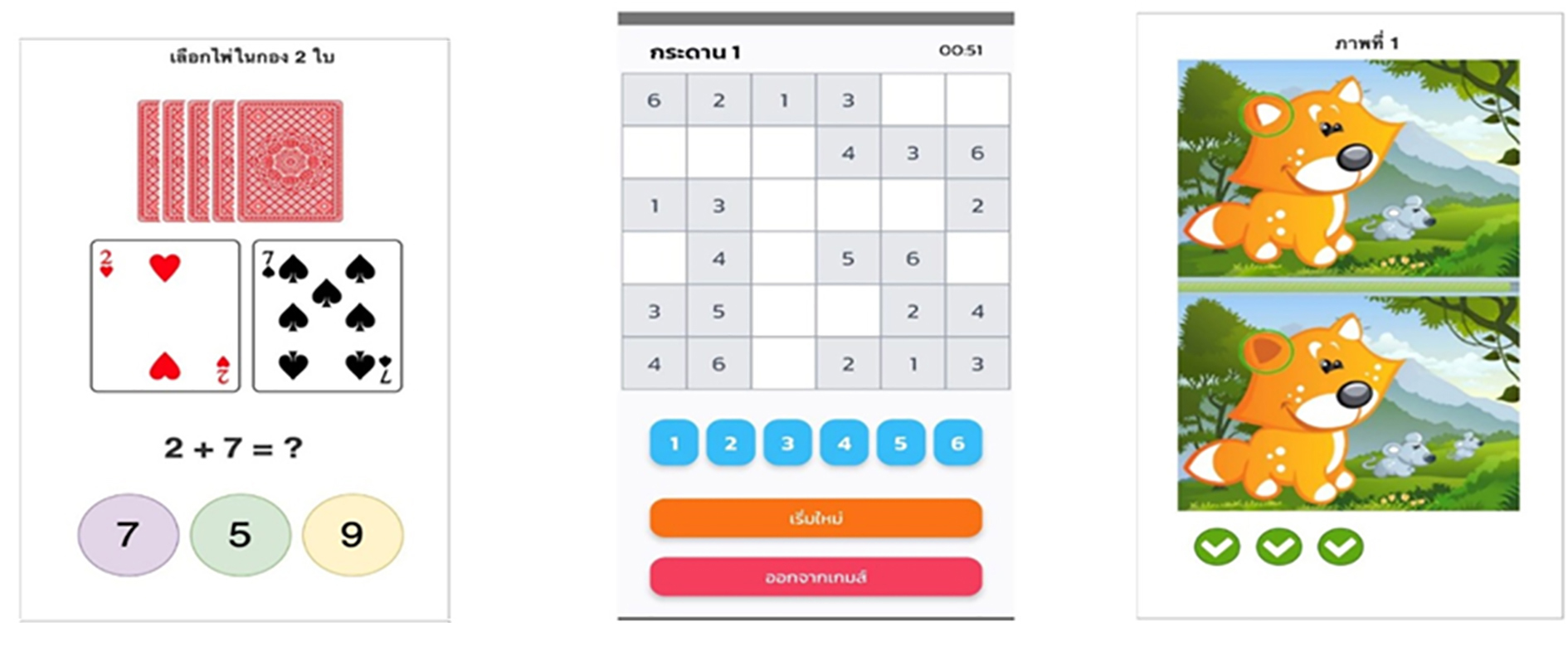
Figure 1. Math card games, Sudoko games, and photo hunt games.
During session 2, the cognitive game “Matching”, several games were used to improve memory and executive function. The initial game, “listen to the music,” challenged the participants to identify well-known singers from played audio clips. Memory recall and recognition were strengthened through this activity. Next, the “Match geometric blocks” game was introduced to train them for performing executive functions (Figure 2). Players needed to recall the position of recently introduced blocks to identify the matching items. This game required the player to guess the similar blocks and remember their position to match with the other similar blocks for a brief period (5 min), improving their memory and organizational skills. There were 16 blocks provided. Before closing the activity, the researchers checked homework and shared records of forgotten experience log, problem-solving, and assigned new homework to play as math card games in applications 3 times/week.
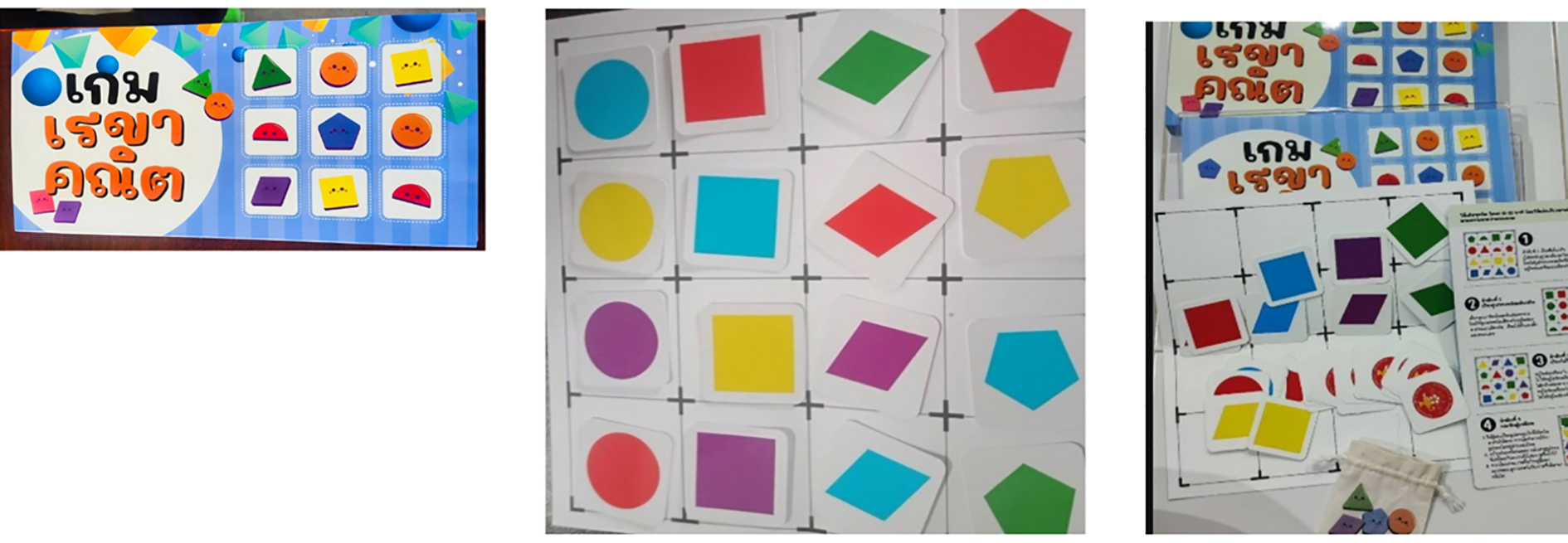
Figure 2. “Matching” cognitive game. Participants are shown cards, which are then turned over, and participants are asked to remember the spatial position of pairs of tiles.
During session 3, the cognitive game “Solve it” by Cooking and Spending, a series of activities was implemented to improve cognitive functions, including memory, executive function, and attention. The participants practiced attention and cognitive flexibility by solving problems and making decisions in the “Cooking and Spending” game, which focused on wise financial management (Figure 3), from the situation of Buddhist Lent Day, cooking to make merit with 300 Thai Baht; then, new homework was assigned as follows: Sudoku games in applications 3 times/week.

Figure 3. “Solve it” cognitive game. Participants are asked to indicate the solution to a budget management issue through a cooking and spending game.
In session 4, the cognitive game “Complete it” by the home decoration game, a series of activities was conducted to improve memory and attention among cognitive functions. The “Home Decoration” game required the participants to decorate their home, and prevent fall problems and forgetfulness (Figure 4). Home decoration is a thinking process training in which the participants should put away their stuff by grouping the them so that they are easy to use, such as stationery. There was a budget for each room: bedroom, living room 5,000-10,000-baht, kitchen 3,000-5,000-baht, bathroom 2,000-3,000 baht. The group consisted of 5 older adults who agreed on what room each person would organize their belongings. For example, 2 older adults organized their bedrooms. Then, a small group presentation which explained why each person chose the furniture arranged in this way, and how their room in their home is similar or different from the room they arranged in the model. In the final activity, the participants were engaged in a comprehensive group discussion on financial planning where they analyzed information, exchanged insights, evaluated program outcomes, posttested MCI knowledge, established a line group for continued communication, and received scheduling and follow-up guidance.
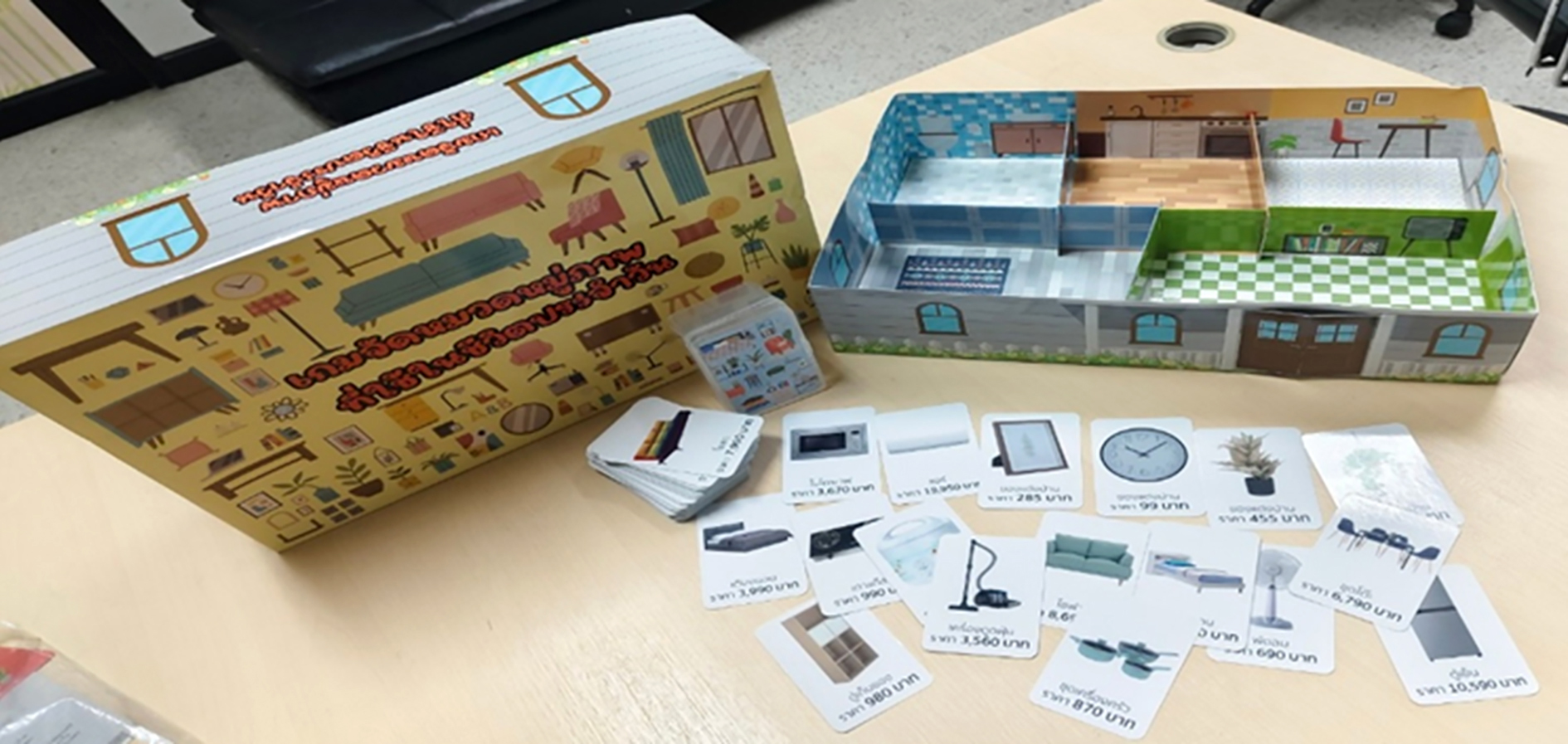
Figure 4. “Complete it” cognitive game. Participants are asked to decorate their homes for identifying personal fall risk factors and barriers to implementing prevention strategies.
The control group participants completed baseline assessments and then received usual care consisting of a single face-to-face session of MCI education and access to the SDU Brain Training mobile application with instructions for independent use. The application included cognitive rehabilitation exercises, meditation videos, nutrition guidance, a 4-step brain development program, and cognitive training games. Apart from the one-time educational session, no additional face-to-face cognitive-training sessions or structured group-based board-game activities were provided to the control group.
Data were analyzed using Jamovi software version 2.3.28. Normality assumptions were tested using Shapiro–Wilk tests. Descriptive statistics (frequencies, percentages, means, standard deviations, and ranges) were used to summarize demographic characteristics and outcome variables. Chi-square tests were used to compare categorical baseline characteristics between the groups. Independent t-tests were used to compare continuous baseline variables and between-group differences at Week 8. Paired t-tests were used to evaluate within-group changes from baseline to week 8. Effect sizes were calculated using Cohen’s d, with conventional thresholds for small, medium, and large effects. Statistical significance was set at P<0.05.
Ethical approval was obtained from the Research Ethics Review Committee for Research Involving Human Research Participants, Health Science Group, Suan Dusit University, Thailand (Ethical ID: SDU-RD-HS 2024-030; Subprotocol 2: HS029/2024). All participants provided written informed consent after receiving detailed information about the study objectives, procedures, risks, benefits, and their right to withdraw without consequences. Participant confidentiality and anonymity were maintained throughout the study. Photographic documentation of intervention activities was conducted with explicit participants’ consent. Following the study completion, the control group participants received the full intervention program to ensure equitable access to potential benefits.
RESULTS
Most of the participants were female, comprising 17 (77.3%) in the experimental group and 19 (86.4%) in the control group, with a mean age of 65.45±3.46 years for the experimental group and 65.14±3.12 years for the control group. There was no significant difference in age categories between the groups (P=0.75). The mean of body mass index was 26.05±4.01 in the experimental group and 24.09±4.81 in the contro; group without a statistically significant difference (P=0.39). Regarding educational attainment, most participants had completed primary education in both groups. Half of the older adults in the experimental group were cultivators, and 45.50% of them were labor workers in the control group. 10 (45.45%) participants in the experimental and 17 (77.27%) in the control groups were married. Regarding health behaviors, no significant baseline differences were found between the groups in alcohol consumption (P=0.22) or smoking habits (P=0.22). There was no statistically significant difference between the two groups in terms of family history of dementia (P=0.11). and BMI (P=0.39). No differences were found at baseline in any of the demographic characteristics (P>0.05) (Table 2).
| Variable | Experimental group N(%) | Control group N(%) | P value* |
|---|---|---|---|
| Age | |||
| 60-65 years | 12 (54.50) | 14 (63.60) | 0.75 |
| >65 years | 10 (45.50) | 8 (36.40) | |
| Sex | |||
| Male | 5 (22.70) | 3 (13.60) | 0.69 |
| Female | 17 (77.30) | 19 (86.40) | |
| Educational attainment | |||
| Primary school | 18(81.82) | 19 (86.37) | 0.53 |
| Secondary school | 2(9.09) | 3 (13.63) | |
| Diploma or over | 2(9.09) | - | |
| Marital status | |||
| Single | 1 (4.55) | 1 (4.55) | 0.06 |
| Married | 10 (45.45) | 17 (77.27) | |
| Widowed/Divorced/Separated | 11 (50.00) | 4 (18.18) | |
| Occupation | |||
| Labor workers | 6 (27.30) | 10 (45.50) | 0.45 |
| Cultivators | 11 (50.00) | - | |
| Unemployed | 5 (22.70) | 5 (22.70) | |
| Retired civil servants | - | 7 (31.80) | |
| Alcohol Drinking | |||
| Yes | 13 (59.10) | 8 (36.40) | 0.22 |
| No | 9 (40.90) | 14 (63.60) | |
| Smoking | |||
| Yes | 10 (45.50) | 15 (68.20) | 0.22 |
| No | 12 (54.50) | 7 (31.80) | |
| Family history of dementia | |||
| Yes | 13 (59.10) | 14 (63.64) | 0.11 |
| No | 9 (40.90) | 8 (36.36) | |
| *Chi-square test | |||
At baseline, there was no statistically significant difference between the experimental and the control groups in terms of the mean score of MCI knowledge (P=0.62), MoCA (P=0.89), and CFQ (P=0.45).
Both groups demonstrated significant within-group increases in MCI knowledge from baseline to week 8 (P<0.001), reflecting the MCI education component received by both groups. However, the experimental group achieved significantly higher post-intervention knowledge scores (13.55±1.34) compared to the control group (11.55±1.01) (P<0.001) (Table 3).
| Variable | Group | Before intervention (Mean±SD) | After intervention (Mean±SD) | P value* |
|---|---|---|---|---|
| MCIa knowledge | Experimental | 9.91±1.23 | 13.55±1.34 | <0.001 |
| Control | 10.09±1.19 | 11.55±1.01 | <0.001 | |
| P value** | 0.62 | <0.001 | ||
| MoCAb | Experimental | 19.95±2.63 | 23.73±4.54 | 0.001 |
| Control | 19.82±3.55 | 20.05±1.36 | 0.81 | |
| P value** | 0.89 | <0.001 | ||
| CFQ-Thaic | Experimental | 36.32±8.23 | 23.14±8.69 | <0.001 |
| Control | 34.18±10.41 | 43.86±7.61 | 0.006 | |
| P value** | 0.45 | <0.001 | ||
| aMCI: Mild cognitive impairment; bMoCA: Montreal Cognitive Assessment; cCFQ-Thai: Cognitive Failures Questionnaire-Thai version; *Paired t-test; **Independent t-test | ||||
The experimental group showed substantial improvement in MoCA scores (23.73±4.54) compared to the control group (20.05±1.36), with significant between-group difference (P<0.001, Cohen’s d=1.10, large effect size), indicating a clinically meaningful enhancement in global cognitive function. Within-group analysis revealed significant improvement in the experimental group from baseline to week 8 (P=0.001), while the control group showed a minimal change (P=0.81) (Table 3).
The experimental group reported significantly lower mean CFQ score at week 8 (23.14±8.69) compared to the control group (43.86±7.61), (P<0.001, Cohen’s d=2.54, large effect size). Within-group changes showed significant reduction in the experimental group (P<0.001), indicating fewer self-reported cognitive lapses in daily life. Conversely, the control group reported significantly increased cognitive failures (P=0.006) (Table 3).
DISCUSSION
The current study demonstrated that a hybrid cognitive-training program of board games with a mobile-application program improved both objective cognitive performances, as measured by the MoCA, and subjective cognitive function, as reflected by reduced CFQ scores, among older adults with MCI. Although both groups received MCI education and access to the mobile application, meaningful cognitive improvement was observed only in the experimental group, suggesting that structured and socially engaging game-based activities provided benefits beyond education alone. This finding is consistent with previous intervention studies showing that board games and structured cognitive-training programs can enhance cognitive functioning in older adults. 4 , 5 , 22
The experimental group demonstrated an improvement in MoCA scores, bringing participants closer to the normal cognitive threshold. This finding aligns with previous research showing that tabletop and board games enhance cognitive stimulation across multiple domains, including memory, executive function, and attention. 5 , 22 Evidence from existing literature similarly indicates that board-game interventions can improve cognitive performance among older adults. 4 , 22 Subjective cognition also improved markedly in the experimental group, reflected by a reduction in CFQ-Thai scores—showing fewer everyday cognitive lapses such as forgetfulness, attention failures, and minor errors. In contrast, the control group showed an increase in CFQ-Thai scores. Together, these findings support the notion that multi-domain cognitive stimulation—through memory-based tasks, strategic decision-making, visuospatial challenges, and attention-focused activities—may promote brain health and help maintain cognitive function. 5 , 22 Board games may additionally foster social engagement, which can support sustained participation and motivation in older adults. 22
The cognitive improvements observed in the intervention group may be explained by the multi-domain stimulation embedded in the game-based activities. Board games typically require simultaneous engagement of memory, attention, executive functions, visuospatial processing, and problem-solving, which are cognitive domains essential for everyday functioning. 5 , 22 Such repeated and varied activation across domains is consistent with cognitive-training and neurobic principles that encourage flexible brain engagement through novel and effortful tasks. 17 , 22
In addition to cognitive stimulation, the group-based format may have contributed to better outcomes by enhancing social engagement. Playing in small groups promotes communication, cooperation, and emotional support, which may strengthen motivation and adherence to training. 22 Such social interaction may also support cognitive engagement in older adults. 23 The hybrid design of face-to-face sessions with mobile-application practice may have further reinforced cognitive gains by extending training beyond group sessions. App-based modules enable repeated practice at home and may help consolidate newly learned strategies, 6 while in-person guidance can reduce barriers for participants with limited digital literacy. 8 This blended approach may, therefore, improve accessibility and support continued engagement in cognitive training.
Although educational attainment may influence responsiveness to cognitive training through differences in cognitive reserve, participants in both groups largely represented older adults with low formal education in a rural setting. The intervention was intentionally designed for this population by incorporating familiar, practical activities and providing structured guidance during group sessions. Overall, the pattern of findings suggests that the observed benefits are more plausibly attributable to the structured, socially engaging, and contextually tailored training approach than to educational background alone. 10 , 22
This study has several strengths. First, it employed a hybrid intervention combining traditional board games with digital technology, which may help address the digital literacy gap among rural Thai older adults. Second, the intervention was culturally adapted using Thai-specific content (e.g., temples, foods, and culturally familiar scenarios), which may enhance relevance and participant engagement. Third, the study utilized validated Thai-language instruments with established psychometric properties. Fourth, outcome assessors were blinded to group allocation, reducing the risk of assessment bias. Finally, the intervention was designed to be delivered through existing community health infrastructure, suggesting potential sustainability and scalability in resource-limited settings.
Several limitations merit acknowledgment. First, the use of a quasi-experimental cluster design rather than individual randomization limits the ability to infer causality with certainty, a limitation commonly noted in community-based intervention research. Second, the study was conducted in a single province (Suphan Buri), which restricts the generalizability of the results to older adults in other Thai regions who may differ in cultural background, lifestyle, or digital literacy. Third, the sample size was relatively small which constrained statistical power for subgroup analyses, especially those related to sex or educational level. Fourth, because participants were not blinded may have influenced the outcomes although outcome assessors were blinded to help reduce assessment bias. Fifth, the study assessed outcomes only at 8 weeks post-baseline, providing short-term effects without insight into whether cognitive improvements are sustained long-term, a concern previously noted in game-based cognitive-training literature. Sixth, although baseline cognitive scores did not differ significantly between the groups, small descriptive differences in educational attainment and health behaviors (e.g., smoking, alcohol consumption) may have had residual confounding effects. However, this limitation is partially mitigated by the absence of baseline differences on key cognitive measures using MoCA and CFQ. Finally, although the intervention integrated both board games and a mobile cognitive-training application, the study did not isolate the independent effect of each component.
CONCLUSION
Board games integrated with mobile applications represent an effective, culturally appropriate cognitive training approach for community-dwelling Thai older adults with MCI. The integration of multi-domain cognitive stimulation, social engagement, and cultural relevance in the program contributed to its effectiveness. Healthcare professionals can implement this accessible intervention to address the growing challenge of cognitive decline in aging populations, particularly in resource-limited and rural settings.
Future research should employ randomized controlled trials with larger, demographically diverse samples to confirm these findings. Studies should examine dose-response relationships (session frequency, duration, intensity), explore long-term maintenance of cognitive benefits, and investigate mechanisms through neuroimaging or biomarker assessment. Comparative effectiveness research could identify optimal combinations of game types, social engagement formats, and technological integration.
Acknowledgement
We express our gratitude to all participants for their cooperation and willingness to participate.
Authors’ Contribution
OC, RK, WD and PS were responsible for the conceptualization and design of this study. OC, RK, and PS collected the data. OC, PS & RK analysed the data and interpreted the results. OC & WD drafted the initial manuscript. All authors critically reviewed, revised the manuscript, and approved the final version for publication. All authors take responsibility for the integrity of the data and the accuracy of the data analysis. The corresponding author attests that all listed authors meet authorship criteria and that no others meeting the criteria have been omitted.
Funding Source
This study was funded by the Thailand Science Research and Innovation (TSRI) (Grant No. FF67–193077, 2024), Thailand and Suan Dusit University.
Conflict of Interest
Non declared
Declaration on the use of AI
The author uses Claude (Anthropic, Claude AI, version 3.5) in writing to improve readability and remove grammatical errors. The author also uses Canva (Canva Pty Ltd., version 2024) for image editing for presentation. However, the researcher is responsible for all content.
References
- Faculty of Medicine Ramathibodi Hospital, Mahidol University (Thailand).. Thailand National Health and Examination Survey 2019-2020. Bangkok: Faculty of Medicine Ramathibodi Hospital, Mahidol University of Thailand; 2021. [In Thai].
- Gläser E, Kilimann I, Platen M, et al. The economic burden of subjective cognitive decline, mild cognitive impairment and Alzheimer’s dementia: excess costs and associated clinical and risk factors. Alzheimers Res Ther. 2025; 17:142.
- Panyawattanakit C, Wongpradit W, Kanhasing R, et al. Cognitive impairment and associated factors among older adults with diabetes in a suburban primary health center in Thailand. Dement Geriatr Cogn Disord. 2022; 51:175-81.
- Ammar M, Amjad I, Nisar M, et al. Effects of board games on balance in association with cognition in community-dwelling older adults. J Musculoskelet Surg Res. 2024; 8:256-63.
- Chen PJ, Hsu HF, Chen KM, et al. Effects of tabletop games on cognition in older adults: a systematic review and meta-analysis. Games Health J. 2022; 11:225-35.
- Lin L, Jing XC, Lv SJ, et al. Mobile device use and the cognitive function and depressive symptoms of older adults living in residential care homes. BMC Geriatr. 2020; 20:41.
- National Statistical Office. The 2022-2023 household survey on the use of information and communication technology. Bangkok: National Statistical Office; 2023. [Cited 12 Aug 2024]. Available from: https://www.nso.go.th/nsoweb/nso/survey_detail/jJ?set_lang=en#gsc.tab=0 [In Thai].
- Kang H, Baek J, Chu SH, et al. Digital literacy among Korean older adults: A scoping review of quantitative studies. Digit Health. 2023; 9:20552076231197334.
- Nguyen A, Eschiti V, Bui TC, et al. Mobile health interventions to improve health behaviors and healthcare services among Vietnamese individuals: a systematic review. Healthcare (Basel). 2023; 11:1225.
- Suriyawong W, Budda R, Sriprasert K, et al. A group-based psychosocial program for reducing loneliness in older adults: a quasi-experimental study. J Prim Care Community Health. 2025; 16:21501319251380614.
- Des Jarlais DC, Lyles C, Crepaz N, et al. Improving the reporting quality of nonrandomized evaluations of behavioral and public health interventions: the TREND statement. Am J Public Health. 2004; 94:361-6.
- Provincial Public Health Office. Report on the situation of elderly people in 2023 of Suphan Buri, Thailand. Suphan Buri: Provincial Public Health Office; 2023. [In Thai].
- Hemrungrojn S, Tangwongchai S, Charoenboon T, et al. Use of the Montreal Cognitive Assessment Thai version to discriminate amnestic mild cognitive impairment from Alzheimer’s disease and healthy controls: machine learning results. Dement Geriatr Cogn Disord. 2021; 50:183-94.
- Whooley MA, Avins AL, Miranda J, et al. Case-finding instruments for depression: two questions are as good as many. J Gen Intern Med. 1997; 12:439-45.
- Hodkinson HM. Evaluation of a mental test score for assessment of mental impairment in the elderly. Age Ageing. 1972; 1:233-8.
- Tanglakmankhong K, Hampstead BM, Ploutz-Snyder RJ, et al. Cognitive screening assessment in Thai older adults: a prospective study of the reliability and validity of the Abbreviated Mental Test. J Health Res. 2022; 36:99-109.
- Sanghuachang W, Hengudomsub P, Chaimongkol N, et al. Effectiveness of neurobic exercise program on memory performance in community-dwelling older adults with mild cognitive impairment: a randomized controlled crossover trial. Belitung Nurs J. 2023; 9:100-9.
- Nasreddine ZS, Phillips NA, Bédirian V, et al. The Montreal Cognitive Assessment, MoCA: a brief screening tool for mild cognitive impairment. J Am Geriatr Soc. 2005; 53:695-9.
- Hemrungrojn S, Amrapala A, Kasemsantitham AA, et al. The validity of the Thai electronic version of the Montreal Cognitive Assessment (MoCA). Alzheimers Dement. 2023; 19:e079254.
- Broadbent DE, Cooper PF, FitzGerald P, et al. The cognitive failures questionnaire (CFQ) and its correlates. Br J Clin Psychol. 1982; 21:1-16.
- Sanprakhon P, Suriyawong W, Chusri O, et al. Exploring the association between loneliness, subjective cognitive decline, and quality of life among older Thai adults: a convergent parallel mixed-method study. J Appl Gerontol. 2024; 43:1795-807.
- Guardabassi V, Manoni E, Di Massimo M, et al. Aging with board games: fostering well-being in the older population. Front Psychol. 2024; 15:1501111.
- Kelly ME, Duff H, Kelly S, et al. The impact of social activities, social networks, social support and social relationships on the cognitive functioning of healthy older adults: a systematic review. Syst Rev. 2017; 6:259.


