
INTRODUCTION
Diabetes mellitus (DM) has become one of the most prevalent chronic diseases worldwide and a major public health challenge. 1 In 2021, approximately 529 million people were living with diabetes globally, reflecting a prevalence of 6.1%. 2 Iran has experienced a particularly sharp rise, with diabetes prevalence increasing from 8.4% in 2004 to 13.2% in 2016. 3
Poorly controlled diabetes leads to serious microvascular and macrovascular complications, including nephropathy, neuropathy, atherosclerotic cardiovascular disease, and—most critically for this study—diabetic retinopathy (DR). 4 A study estimated that the prevalence of DR in the United States among people with diabetes was 26.43% in 2021, equal to approximately 9.60 million individuals. 5 In Iran, a meta-analysis revealed that 41.9% of diabetic patients developed DR. 6
Current treatments such as laser therapy, intravitreal injections (e.g., anti-vascular endothelial growth factor therapy (VEGF) agents like bevacizumab), and vitrectomy aim to slow disease progression but are often invasive and anxiety-inducing. 7 , 8 Patients undergoing intravitreal injections frequently experience significant pre-procedural anxiety due to the invasive nature of the intervention. 9 This anxiety exacerbates disease progression by impairing glycemic control, accelerating retinopathy, and reducing quality of life. 10 , 11 Vision-related quality of life is further diminished by functional limitations and psychosocial stressors. 12 Notably, studies demonstrate a strong negative correlation between pre-procedural anxiety and vision-related quality of life among these patients. 12 - 14
While patient education on self-care can mitigate these challenges, existing interventions remain inadequate. 15 According to Orem’s Self-Care Deficit Theory, individuals with chronic illnesses like DR often struggle to meet their self-care needs due to knowledge gaps, anxiety, or physical limitations. This deficit necessitates nurse-led support to empower patients through education and accessible tools. However, most research focuses narrowly on either anxiety-severity correlations 16 - 18 or treatment efficacy, 19 neglecting holistic, patient-centered approaches.
Telenursing—a promising strategy for chronic disease management—has been underutilized for patients with DR, particularly those receiving intravitreal injections (IVI). 20 Although studies highlight telenursing benefits in general diabetes care, 21 , 22 current protocols often rely on outdated telephone follow-ups rather than scalable digital tools like podcasts. 22 - 24
This study addresses these gaps by evaluating a telenursing intervention using self-care education podcasts tailored for patients with DR undergoing IVI. Additionally, we explore the critical yet understudied role of community nurses in delivering remote support. By integrating modern technology with nurse-led education, this randomized clinical trial aims to determine the effect of telenursing using self-care education podcasts on anxiety and quality of life of patients with DR undergoing intravitreal injections.
MATERIALS AND METHODS
This randomized controlled trial was conducted in two sequential phases: (1) development of self-care education podcasts/videos, and (2) implementation of the intervention from July to September 2022 at an educational Eye Hospital, Mashhad, Iran.
The initial phase focused on preparing self-care education audio and video content for patients with DR receiving intravitreal bevacizumab (Avastin) treatment. An integrative review of peer-reviewed literature from multiple databases (SCOPUS, PubMed, Web of Science, Google Scholar, and UpToDate) was conducted, limited to publications from 2016-2022 by using the Whittemore and Knafl methodology of integrative review. 25 The search strategy incorporated keyword combinations (such as “self-care education,” “diabetic retinopathy management”), Boolean operators (AND, OR), and filters for clinical trials and reviews. This process identified fifteen key themes regarding self-care practices for intravitreal injection patients. The resulting content was developed into eight audio files and seven video files. To ensure clinical validity, these materials were reviewed by ten content experts (two ophthalmologists, six nursing experts, and two nurses) through email correspondence. All specialist recommendations were carefully considered and incorporated into the final educational materials prior to their implementation in the clinical trial.
The second phase implemented the intervention using a randomized controlled clinical trial conducted between July and September 2022 at an Eye Hospital, a tertiary referral center in Mashhad, Iran.
The study population consisted of patients with DR scheduled to receive intravitreal bevacizumab (Avastin) injections at the hospital’s retina clinic. Inclusion criteria were demonstrating basic literacy, possessing a smartphone, maintaining adequate hearing capacity, having no concurrent participation in ocular self-care programs, not undergoing intravitreal Avastin injection before, having no comorbid ocular pathologies (including glaucoma or cataracts) and suffering no diagnosed psychological disorders. Exclusion criteria comprised unwillingness to engage in virtual education and planned surgical interventions. Eligible candidates were identified through systematic screening of clinic referrals during the study period.
The sample size calculation was based on state (48.92±4.86) and trait (48.31±7.81) anxiety scores from Sattar et al.’s study, 26 analyzed using PASS 2021 software’s repeated measures module. With α=0.05, power=0.90, four measurement time points, and an anticipated 25% versus 10% anxiety reduction in intervention versus control groups respectively, the initial calculation yielded 34 participants per group. Given a 10% attrition rate, the final sample size was set at 38 per group (total n=76). A randomized block design with 19 blocks (sizes 4) was implemented for allocation. Opaque, sequentially numbered envelopes containing group assignments were prepared and distributed by operating room nurses after obtaining written informed consent. During the trial, four participants from each group discontinued participation, resulting in 68 completers (34 per group) included in the final analysis (Figure 1).
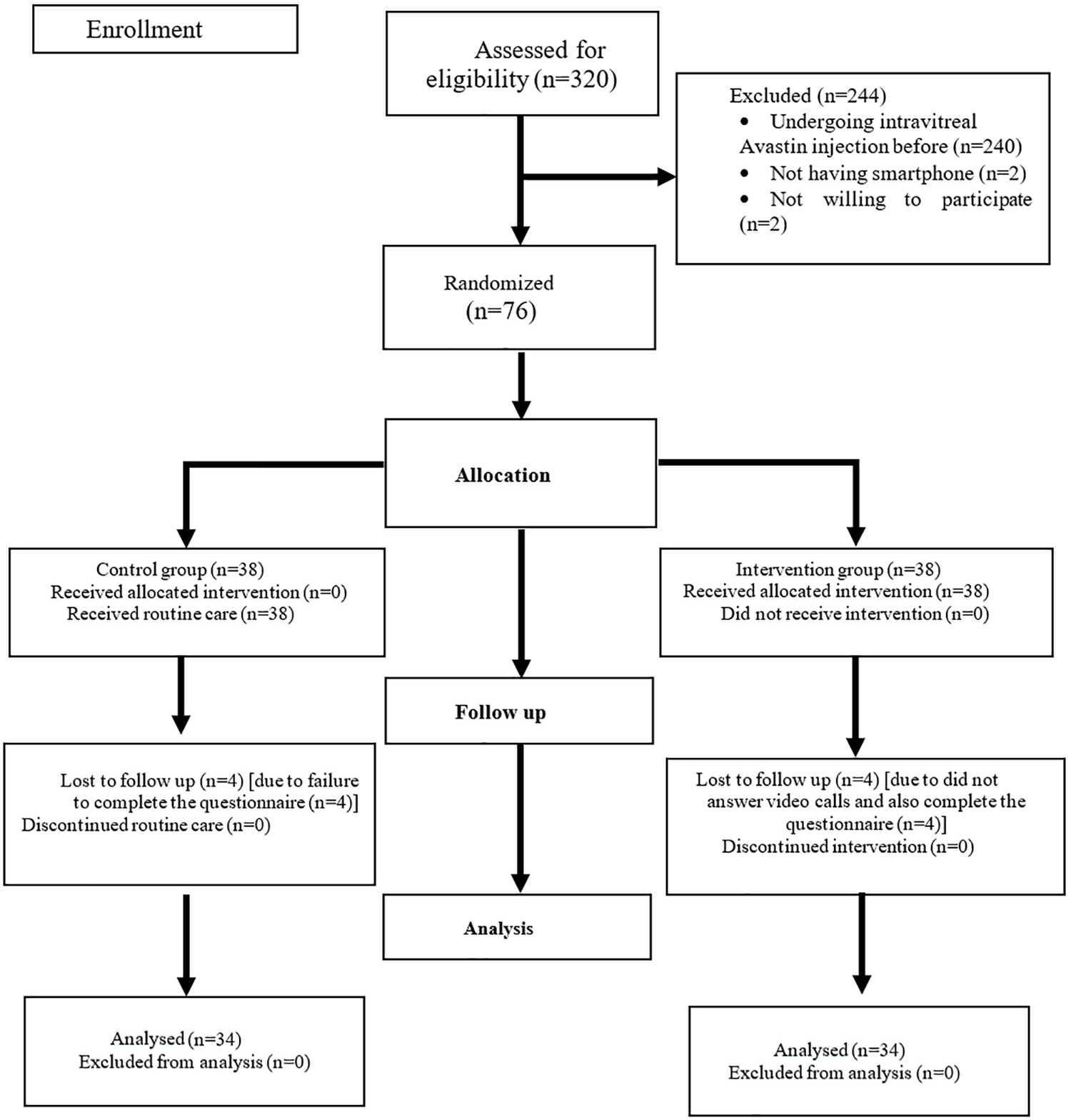
Figure 1. Consort flow diagram of the study.
Demographic data were collected using a 6-item questionnaire covering age, sex, education level, residence, diabetes type and medications, and ocular comorbidities.
Anxiety was measured using the Spielberger State-Trait Anxiety Inventory (STAI), which consists of two 20-item subscales: State Anxiety (transient anxiety) and Trait Anxiety (baseline anxiety tendency). Scores for each subscale range from 20-80, with higher scores indicating greater anxiety (20-30=low, 31-40=mild, 41-50=moderate, 51-60=high, 61-80=very high). The STAI was originally validated with excellent internal consistency (State α=0.86-0.92, Trait α=0.89-0.92), confirmed factor structure (loadings 0.35-0.76), and expected test-retest reliability (State r=0.16-0.54, Trait r=0.73-0.86). 27 The Persian adaptation followed the World Health Organization translation guidelines, maintaining the two-factor structure (CFI=0.92, RMSEA=0.06) with strong reliability (α=0.87-0.89; ICC=0.82-0.85). Both versions demonstrated concurrent validity through correlations with established anxiety measures (original r=0.73-0.85; Persian r=0.69-0.71 with HADS). 28 , 29 These results confirm STAI’s cross-cultural validity for assessing state and trait anxiety dimensions.
Quality of life was assessed using the SF-36 questionnaire, a 36-item instrument evaluating eight health domains: physical functioning, role limitations due to physical/emotional problems, social functioning, bodily pain, mental health, vitality, and general health perceptions. Domain scores range from 0-100, with higher scores indicating better functioning (e.g., mental health: ≤40=poor, 41-70=fair, ≥71=good). The SF-36 was developed through rigorous psychometric testing, demonstrating strong internal consistency (α=0.78–0.93), test-retest reliability (ICC=0.60–0.81), and validity via known-groups comparisons (P<0.001) and correlations with clinical measures (r=−0.30 to −0.70). 30 The Persian version, validated by Montazeri et al., retained the original factor structure (loadings >0.4) and showed good reliability (α=0.77–0.90, except Vitality α=0.65) and test-retest stability (ICC=0.58–0.80). 31 It discriminated well between healthy and chronically ill groups (P<0.001) and correlated with the World Health Organization Quality-of-Life Scale (WHOQOL-BREF) (r=0.51–0.73). Both versions confirm the SF-36’s robustness for assessing health-related quality of life across cultures.
The primary variable was anxiety, and the secondary variable was considered quality of life. The analyst of the data was blind to the allocation of the patients in each group.
The intervention protocol was implemented through a comprehensive telenursing program delivered via WhatsApp. The first author conducted daily visits to the outpatient Eye Clinic to screen and enroll eligible patients. During the initial encounter, each patient received a thorough explanation of the study procedures and provided written informed consent before being randomized to either the intervention or control group using the predetermined block randomization method. In this study, the patients received three courses of intraocular injections at 4-week intervals, with all appointments scheduled by a retinal specialist. The average hospital stay per visit was approximately eight hours. All participants in both groups received Porsline (a free, online form builder software that makes creating online questionnaires) links to complete baseline demographics, the STAI, and the SF-36 questionnaires through WhatsApp.
Patients in the intervention group received not only the standardized educational pamphlets of the hospital but also a series of carefully designed educational materials consisting of eight audio files and seven video files, each limited to five minutes duration. These multimedia resources covered essential topics including proper techniques for intravitreal injection preparation, post-injection eye care procedures, correct administration of eye drops, and comprehensive diabetes self-management strategies. According to Table 1, podcasts and videos were scheduled to be sent during the weeks between injections. One podcast related to self-care behaviors before, during, and after injection of Avastin and one video related to how to pour drops into the eyes was sent repeatedly three times the night before the injection in each course to remind the patients in the first, fourth and eighth weeks. To optimize learning and retention, the educational materials were standardized across all participants in the intervention group.
| Week | Subject | File type |
|---|---|---|
| First | Diabetic Retinopathy (Definition and treatment options) | Audio |
| How to Inject Intravitreal Drugs (Avastin) | Video | |
| Self-care behaviors before, during, and after injection of Avastin | Audio | |
| How to pour eye drops | Video | |
| Follow up the patient at home | Video call | |
| Second | How to monitor and chart the blood glucose | Video |
| Diabetic Diet (Part 1) | Audio | |
| Where and how to inject insulin (pen/syringe) | Video | |
| Follow up the patient at home | Video call | |
| Third | Diabetic Diet (Part 2) | Audio |
| Self-care behaviors for using eye and diabetic drugs (Part 1) | Audio | |
| Follow up the patient at home | Video call | |
| Fourth | Self-care behaviors before, during and after injection of Avastin | Audio |
| How to pour eye drops | Video | |
| Diabetic Diet (Part 3). | Audio | |
| How to calculate food calories | Video | |
| Follow up the patient at home | Video call | |
| Fifth | How to make a diabetic meal plan | Video |
| Diabetic Diet (Part 4) | Audio | |
| Follow up the patient at home | Video call | |
| Sixth | Self-care behaviors for using eye and diabetic drugs (Part 2) | Audio |
| Follow up the patient at home | Video call | |
| Seventh | Activity and exercises (body and eye) | Video |
| Follow up the patient at home | Video call | |
| Eighth | Self-care behaviors before, during, and after injection of Avastin | Audio |
| How to pour eye drops | Video | |
| Follow up the patient at home and conclusion | Video call |
The telenursing intervention incorporated multiple components to monitor patient progress and provide personalized support. After sending each file, the patient was asked to send the documents for doing the self-care actions to the first author. The researcher conducted weekly video calls with each participant to assess ocular symptoms such as pain, redness, and itching, while also evaluating treatment adherence. The patients were required to submit detailed 48-hour blood glucose profiles at monthly intervals and maintain daily dietary logs, which were shared with the researcher via WhatsApp. Based on the submitted data, they received individualized counseling sessions. Those demonstrating poor glycemic control, defined as fasting glucose levels exceeding 130 mg/dL or random glucose measurements above 180 mg/dL, were promptly referred to an endocrinologist for further management.
Outcome measures were carefully collected throughout the study period. The state anxiety component of the STAI was administered at four critical time points: before the intervention, and before each of the three injections. The trait anxiety scale and quality of life questionnaire were administered twice, at baseline and after the intervention in the 8th week, to evaluate more stable psychological characteristics and overall wellbeing.
Participants in the control group received the standard educational pamphlets provided by hospital nursing staff and completed the same assessment measures at identical time intervals. As an ethical consideration, all educational materials were made available to the control group participants after completion of the study.
All intravitreal bevacizumab injections were performed by a single, highly experienced ophthalmologist who served as the study advisor. This standardization was implemented to ensure consistency in the clinical procedure across all participants.
Data analysis was done using SPSS, version 26. To evaluate the homogeneity of the two groups with respect to baseline characteristics and potential confounding variables, appropriate statistical tests were selected based on data distribution and variable type. For quantitative variables with normal distribution, the independent t-test, repeated-measures ANOVA, and ANCOVA were utilized. The Mann-Whitney U test was employed for quantitative variables lacking normal distribution, while categorical variables were analyzed using either the Chi-square test or Fisher’s exact test, as appropriate. Correlations between variables were examined using Pearson’s correlation coefficient. P<0.05 was considered significant.
This study was approved by the Research Ethics Committee of Mashhad University of Medical Sciences (IR.MUMS.NURSE.REC.1401.024). All participants provided written informed consent and were given the right to withdraw at any time without affecting their treatment. Confidentiality was maintained by using anonymized, coded questionnaires and by restricting data access to a single computer. Both groups received standard treatments. The protocol adhered to the Declaration of Helsinki, prioritizing patient rights and welfare.
RESULTS
This study enrolled 76 patients with DR who were receiving intravitreal bevacizumab (Avastin) therapy at the outpatient ophthalmology clinic. Four participants in the control group were excluded from the study due to failure to complete and submit the required anxiety and quality-of-life questionnaires. Similarly, four participants in the intervention group were excluded for not submitting documentation related to their dietary plans and diabetes management during follow-up assessments. Consequently, the final analysis included data from 34 participants in each group (intervention and control), maintaining balanced group sizes for comparative evaluation (Figure 1).
The normality of the data was analyzed using the Shapiro-Wilk test. For all data that had a normal distribution based on the Shapiro-Wilk test, parametric tests were used, and for those that were not normal, non-parametric tests were employed.
The results of the analysis of the findings in the present study showed that there was no significant difference between the control and intervention groups regarding age, other demographic features, and disease variables (P>0.05) (Table 2).
| Variable | Intervention (n=34) Mean±SDa | Control (n=34) Mean±SD | P value |
|---|---|---|---|
| Age (year) | 59.21±6.40 | 59.65±7.06 | 0.77* |
| Duration of diabetes diagnosis (year) | 11.84±2.10 | 12.07±3.50 | 0.83** |
| N (%) | N (%) | ||
| Sex | |||
| Female | 19(55.88) | 21(61.76) | 0.62*** |
| Male | 15(44.11) | 13(38.23) | |
| Education status | |||
| Elementary | 20(58.82) | 26(76.47) | 0.29*** |
| Diploma | 10(29.41) | 6(17.64) | |
| Academic degree | 4(11.76) | 2(5.88) | |
| Place life | |||
| City | 18(52.94) | 22(64.70) | 0.32*** |
| Village | 16(47.05) | 12(35.29) | |
| aSD: Standard deviation; *Independent t-test; **Mann Whitney test; ***Chi square test | |||
The results of data analysis using the ANCOVA test showed that, after removing the difference effect of the initial trait anxiety score, the score had a statistically significant difference between the two groups and decreased in the intervention group (P<0.001). Although the results of the paired t-test indicated a significant reduction in the trait anxiety score in both groups (P<0.001), the amount of reduction in the anxiety score in the intervention group was significantly greater than in the control group after eight weeks (Table 3).
| Trait Anxiety | Intervention (n=34) Mean±SDa | Control (n=34) Mean±SD | P value |
|---|---|---|---|
| Before intervention | 51.42±12.80 | 60.94±7.33 | <0.001* |
| After intervention | 36.52±5.59 | 52.29±9.80 | <0.001*** |
| P value** | <0.001 | <0.001 | |
| aSD: Standard deviation;*Independent t-test; **Paired t-test; ***ANCOVA | |||
The results of the t-test showed that the mean scores of state anxiety in the control and intervention groups before the study were not significantly different (P=0.09). Results indicated that there were significant differences between the intervention and control groups in the mean score of state anxiety before the first, second, and third injections (P<0.001), and state anxiety was lower in the intervention group. The results of the repeated measurement showed a significant decrease among the three measurements of mean state anxiety in both control (P<0.001) and intervention groups (P<0.001) over time, but the mean anxiety scores of the patients in the intervention group decreased more than control group (Table 4).
| State anxiety | Intervention (n=34) Mean±SDa | Control (n=34) Mean±SD | P value* | P value** | ||
|---|---|---|---|---|---|---|
| Group | Time | Group*Time | ||||
| Baseline | 56.14±12.74 | 60.14±5.28 | 0.09 | |||
| Before the first injection (1st week) | 44.20±7.60 | 58.41±9.78 | <0.001 | <0.001 | <0.001 | <0.001 |
| Before the second injection (4th week) | 35.58±9.75 | 54.52±5.59 | <0.001 | |||
| Before the third injection (8th week) | 33.47±6.57 | 52.08±10.53 | <0.001 | |||
| P value** | <0.001 | <0.001 | ||||
| aSD: Standard deviation; *Independent t-test; **Repeated measure ANOVA test | ||||||
A comparison of quality-of-life dimensions between the intervention and control groups before and after the intervention is presented in Table 5. At baseline, there were no statistically significant differences between the two groups across all eight dimensions and the summary scores (P>0.05). Following the intervention, the intervention group demonstrated statistically significant and substantial improvements compared to the control group in the majority of domains including physical functioning (P=0.009), bodily pain (P<0.001), general health (P<0.001), social functioning (P<0.001), role limitations due to emotional problems (P<0.001), vitality (P<0.001), and mental health (P<0.001). No significant between-group differences were found for role limitations due to physical problems (P=0.88). There was a statistically significant difference in terms of physical component summary (P<0.001), mental component summary (P<0.001), and the total quality of life (P<0.001) scores between the intervention and control groups after the intervention (Table 5).
| Variable | Group | P value* | |
|---|---|---|---|
| Intervention (n=34) Mean±SD | Control (n=34) Mean±SD | ||
| Physical functioning | |||
| Before intervention | 58.02±11.24 | 55.52±13.79 | 0.28 |
| After intervention | 59.44±9.08 | 53.08±11.48 | 0.009 |
| P value** | 0.06 | 0.70 | |
| Role limitations due to physical problems | |||
| Before intervention | 23.22±27.24 | 22.05±34.13 | 0.82 |
| After intervention | 29.16±27.71 | 30.14±29.37 | 0.88 |
| P value** | <0.001 | 0.052 | |
| Bodily pain | |||
| Before intervention | 91.32±6.49 | 91.11±6.61 | 0.90 |
| After intervention | 75.06±9.62 | 56.17±16.48 | <0.001 |
| P value** | <0.001 | <0.001 | |
| General health | |||
| Before intervention | 35.92±7.43 | 37.63±6.33 | 0.39 |
| After intervention | 47.22±8.23 | 30.73±8.53 | <0.001 |
| P value** | <0.001 | <0.001 | |
| Physical Component Summary | |||
| Before intervention | 208.94±34.59 | 207.30±28.48 | 0.90 |
| After intervention | 210.90±38.76 | 170.14±36.16 | <0.001 |
| P value** | 0.38 | <0.001 | |
| Social functioning | |||
| Before intervention | 46.51±24.25 | 51.47±8.57 | 0.38 |
| After intervention | 72.56±9.36 | 49.63±9.96 | <0.001 |
| P value** | <0.001 | 0.44 | |
| Role limitations due to emotional problems | |||
| Before intervention | 19.29±29.64 | 18.62±29.80 | 0.99 |
| After intervention | 58.33±23.05 | 24.50±29.93 | <0.001 |
| P value** | <0.001 | 0.4 | |
| Vitality | |||
| Before intervention | 33.23±6.45 | 34.23±6.00 | 0.73 |
| After intervention | 67.63±7.51 | 39.11±9.49 | <0.001 |
| P value** | <0.001 | 0.08 | |
| Mental health | |||
| Before intervention | 33.26±6.45 | 35.26±6.50 | 0.12 |
| After intervention | 71.44±8.23 | 40.82±7.92 | <0.001 |
| P value** | <0.001 | <0.001 | |
| Mental Component Summary | |||
| Before intervention | 131.50±34.44 | 135.80±35.01 | 0.54 |
| After intervention | 269.98±35.85 | 154.08±34.99 | <0.001 |
| P value** | <0.001 | 0.03 | |
| Total quality of life | |||
| Before intervention | 340.45±57.88 | 345.83±57.26 | 0.68 |
| After intervention | 480.88±64.02 | 324.23±59.62 | <0.001 |
| P value** | <0.001 | 0.22 | |
| *Independent t-test; **Paired t-test | |||
DISCUSSION
The present study aimed to determine the effect of self-care education through a telenursing approach on the anxiety and quality of life of patients undergoing intravitreal injections of Avastin. The results demonstrated that self-care education significantly reduced state anxiety across four measurement points and trait anxiety over eight weeks. Additionally, the mean scores for both physical and mental quality of life improved significantly in the intervention group compared to the control group.
In comparison to similar studies, a research showed that an educational short film effectively reduced both state and trait anxiety in patients undergoing cataract surgery. 26 However, the study did not involve any follow-up post-surgery, limiting the long-term assessment of anxiety reduction. In contrast, the telenursing approach in our study, which included ongoing support and education, resulted in a more pronounced decrease in state anxiety over time, highlighting the potential benefits of continuous patient engagement.
The result of this study showed that telenursing significantly decreased the state and trait anxiety of the patients. Previous studies have similarly demonstrated the effectiveness of telenursing in alleviating anxiety, including research on stroke patient caregivers, 32 mothers of children with febrile convulsions, 33 and patients with mixed anxiety-depression disorder. 34 However, these studies were limited to telephone-based interventions, whereas our methodology incorporated Internet-based platforms to deliver multimedia educational content—such as instructional videos, podcasts, and self-care materials—enhancing accessibility and engagement. Moreover, our study uniquely targeted intraocular injection-related anxiety in retinopathy patients by providing on-demand, procedure-specific guidance and post-injection care resources. This multimodal telenursing approach, combining dynamic digital tools with tailored patient education, likely contributed to the superior efficacy observed in our findings compared to earlier studies.
The state anxiety scores in the telenursing group were significantly lower than in the control group, representing a marked clinical improvement. This suggests that providing structured self-care education and support via telenursing can effectively reduce procedure-related anxiety in patients with DR, which in turn may contribute to enhanced quality of life. This finding aligns with the evidence that self-care education is a key modulator of anxiety in patients facing stressful medical treatments. For example, a study in patients with upper gastrointestinal tract cancer undergoing chemotherapy reported that both video and written self-care education significantly reduced anxiety, attributing this effect to improved patient competence and physical performance. 35
As an invasive procedure, intravitreal Avastin administration poses a dual challenge, provoking patient anxiety and potentially impairing physical quality of life. Within group analysis in this study showed that the control group experienced a marked deterioration in physical component summery quality of life scores post-intervention, whereas this was not observed in the intervention group. Between-groups comparison at the end of the study showed that the score had statistically significant improvement in the intervention group.
Existing literature robustly supports two separate paradigms: self-care education for improving quality of life in diabetes 36 - 38 and telehealth for chronic disease management. 39 , 40 Our findings synthesize and extend these paradigms by demonstrating the synergistic effect of combining them into a structured telenursing program for a particularly vulnerable population. Patients with progressive DR requiring invasive treatments represent a critical gap, as their care demands transcend routine diabetes management to include procedure-specific anxiety mitigation and vision-preserving self-care. The significant enhancements in both mental and physical components of quality-of-life summaries in the intervention group indicate that this tailored, nurse-facilitated, digital education model effectively addresses this multifaceted need. This positions telenursing not as a simple alternative to in-person care but as a potentially superior modality for delivering sustained, personalized support that can prevent the deterioration in well-being typically associated with invasive ophthalmic treatments.
The differential impact on quality-of-life subscales clarifies the intervention’s mechanism. While significant improvements in the intervention group in comparison with the control group occurred in physical functioning, pain, and general health, the ‘role limitations due to physical problems’ domain did not change. This pattern suggests that the intervention most effectively modified subjective perceptions of health and procedural distress (e.g., pain, anxiety), rather than the objective physical limitations imposed by advanced retinopathy. 14 , 41 The pain outcome exemplifies that lower post-injection pain in the intervention group is best explained by a biopsychosocial model where education provided coping strategies and reduced anxiety, thereby attenuating the pain experience—a well-established relationship. 41 Thus, the telenursing program primarily enhanced the quality of life by improving mental well-being and managing treatment-related symptoms, which subsequently positively influenced the patients’ perceptions of their physical health.
The profound improvements in the psychological domains of the quality of life of the intervention group in comparison with the control group, including social functioning, role limitations due to emotional problems, vitality, and mental health, highlight the intervention’s core strength in addressing the psychosocial burden of treatment. Baseline scores revealed considerable impairment in mental well-being, a known correlation of chronic, vision-threatening disease. We posit that the mechanism is multifaceted; by reducing procedure-specific anxiety, the intervention likely mitigated a primary source of distress, thereby freeing psychological resources. This reduction in anxiety, coupled with the ongoing nurse-led support and self-care education, may have enhanced the patients’ sense of control and self-efficacy. This shift from a state of passive worry to active management can directly improve vitality, reduce emotional role limitations, and improve perceived mental health. While prior research supports telenursing for general mental health in chronic illness, 42 our findings specify its potent role in mitigating the acute, cyclical psychological stress inherent to repeated invasive procedures.
Methodologically, this study advanced upon prior research through three key innovations: a staggered educational content delivery system replacing conventional bulk distribution, precisely timed pre-procedure self-care podcasts, and an integrated monitoring protocol combining weekly adherence follow-ups with monthly glucose testing and physician referrals. These systematic enhancements collectively improved intervention precision and clinical applicability.
However, the study limitations—including its modest sample size, abbreviated 8-week observation period, and reliance on self-reported measures—warrant consideration when interpreting results. Future randomized controlled trials would benefit from larger sample sizes, extended monitoring durations, and the incorporation of objective biomarkers (e.g., physiological stress markers or glycemic variability metrics) to validate these promising findings and strengthen their generalizability to broader diabetic populations.
CONCLUSION
This study demonstrated that a telenursing intervention utilizing self-care education podcasts significantly reduced both state and trait anxiety and improved health-related quality of life in patients with DR undergoing intravitreal injections. The findings indicate that this accessible, patient-centered model of remote education can effectively mitigate the psychological distress associated with invasive treatment and prevent the deterioration in physical and mental well-being commonly observed during such regimens. The results support the integration of structured telenursing programs into the standard care pathway for this patient population. Future research should evaluate the long-term sustainability of these benefits and the intervention’s scalability and cost-effectiveness in diverse healthcare settings.
Acknowledgement
This article was extracted from a master’s thesis of critical care nursing for Elaheh Keshavarzian, fulfilled at nursing and midwifery school of Mashhad University of Medical Sciences, Mashhad, Iran. The authors now express their gratitude to the research deputy at Mashhad University of Medical Sciences, Mashhad, Iran, and all clients and their families who participated in this study.
Authors’ Contribution
EK, NA, VGh, and MR.AA were responsible for the conceptualization and design of this study. The data collection was conducted by EK, MR.AA. The data analysis and interpretation were carried out by NA, VGh EK, NA drafted the initial manuscript. All authors critically reviewed, revised the manuscript, and approved the final version for publication. All authors take responsibility for the integrity of the data and the accuracy of the data analysis. The corresponding author attests that all listed authors meet authorship criteria and that no others meeting the criteria have been omitted.
Funding Source
This study was supported financially by Mashhad University of Medical Sciences (Grant number: 4001887).
Conflict of Interest
None declared.
Declaration on the use of AI
During the preparation of this work, the authors used DeepSeek AI (by DeepSeek Company) to assist with the native translation of some draft text from Persian to English. All AI-assisted translations were subsequently thoroughly reviewed, substantively edited, and verified by the authors. The authors take full responsibility for the final content, accuracy, and integrity of the published manuscript.
References
- Balooch Hasankhani M, Mirzaei H, Karamoozian A. Global trend analysis of diabetes mellitus incidence, mortality, and mortality-to-incidence ratio from 1990 to 2019. Scientific Reports. 2023; 13:21908.
- Ong KL, Stafford LK, McLaughlin SA, et al. Global, regional, and national burden of diabetes from 1990 to 2021, with projections of prevalence to 2050: a systematic analysis for the Global Burden of Disease Study 2021. The Lancet. 2023; 402:203-34.
- Khodakarami R, Abdi Z, Ahmadnezhad E, et al. Prevalence, awareness, treatment and control of diabetes among Iranian population: results of four national cross-sectional STEPwise approach to surveillance surveys. BMC Public Health. 2022; 22:1216.
- Yamazaki D, Hitomi H, Nishiyama A. Hypertension with diabetes mellitus complications. Hypertension Research. 2018; 41:147-56.
- Lundeen EA, Burke-Conte Z, Rein DB, et al. Prevalence of Diabetic Retinopathy in the US in 2021. JAMA Ophthalmol. 2023; 141:747-54.
- Maroufizadeh S, Almasi-Hashiani A, Hosseini M, et al. Prevalence of diabetic retinopathy in Iran: a systematic review and Meta-analysis. International Journal of Ophthalmology. 2017; 10:782-9.
- Kupis M, Samelska K, Szaflik J, et al. Novel therapies for diabetic retinopathy. Central-European Journal of Immunology. 2022; 47:102-8.
- Visser MS, Amarakoon S, Missotten T, et al. Six and eight weeks injection frequencies of bevacizumab are non-inferior to the current four weeks injection frequency for quality of life in neovascular age-related macular degeneration: a randomized controlled trial. Quality of Life Research. 2020; 29:3305-13.
- Kızıltaş B, Fidancı I. Anxiety and mood in patients receiving intravitreal injection. European Review for Medical and Pharmacological Sciences. 2024; 28:1289-94.
- Bădescu S, Tătaru C, Kobylinska L, et al. The association between diabetes mellitus and depression. Journal of Medicine and Life. 2016; 9:120-5.
- Zhang B, Wang Q, Zhang X, et al. Association between self-care agency and depression and anxiety in patients with diabetic retinopathy. BMC Ophthalmology. 2021; 21:123.
- Soleimani Kamran J, Jafroudi S, KazemNejad Leili E, et al. Quality of Life in Patients with Diabetic Retinopathy. Journal of Holistic Nursing and Midwifery. 2017; 27:69-77.
- Duggal M, Kankaria A, Rohilla L, et al. Vision-related Quality of Life (VRQOL) and its determinants among the Elderly in rural blocks of Haryana, India. Clinical Epidemiology and Global Health. 2025; 31:101865.
- Lange R, Kumagai A, Weiss S, et al. Vision-related quality of life in adults with severe peripheral vision loss: a qualitative interview study. Journal of Patient-Reported Outcomes. 2021; 5:7.
- Maina PM, Pienaar M, Reid M. Self-management practices for preventing complications of type II diabetes mellitus in low and middle-income countries: A scoping review. International Journal of Nursing Studies Advances. 2023; 5:100136.
- Olson D, Le P, Vu T, et al. Association Between Anxiety, Depression, and Severity of Diabetic Retinopathy. Investigative Ophthalmology & Visual Science. 2020; 61:3836.
- Ponnusamy V, Le P, Zhang Y. Anxiety and depression in patients treated for proliferative diabetic retinopathy. Investigative Ophthalmology & Visual Science. 2022; 63:570.
- Herranz-Heras JC, de-Pablo-Cabrera A, Alonso-Martín B, et al. Evaluation of Anxiety Levels in Patients Undergoing Intravitreal Injections and Associated Risk Factors Related to the Disease. Journal of Ophthalmology. 2020; 2020:4375390.
- Rose MA, Vukicevic M, Koklanis K, et al. Experiences and perceptions of patients undergoing treatment and quality of life impact of diabetic macular edema: a systematic review. Psychology, Health & Medicine. 2019; 24:383-401.
- McVey C. Telenursing: A concept analysis. Computers, Informatics, Nursing. 2023; 41:275-80.
- AkbariRad M, Dehghani M, Sadeghi M, et al. The Effect of Telenursing on Disease Outcomes in People with Type 2 Diabetes Mellitus: A Narrative Review. Journal of Diabetes Research. 2023; 2023:4729430.
- Mamaghani HA, Tabrizi FJ, Seyedrasooli A, et al. Effect of empowerment program with and without Telenursing on self-efficacy and glycosylated hemoglobin index of patients with Type-2 diabetes: a randomized clinical trial. Journal of Caring Sciences. 2021; 10:22-8.
- Souza-Junior VD, Mendes IAC, Mazzo A, et al. Application of telenursing in nursing practice: an integrative literature review. Applied Nursing Research. 2016; 29:254-60.
- Shahabi N, Kolivand M, Salari N, et al. The effect of telenursing training based on family-centered empowerment pattern on compliance with diet regimen in patients with diabetes mellitus type 2: a randomized clinical trial. BMC Endocrine Disorders. 2022; 22:36.
- Whittemore R, Knafl K. The integrative review: updated methodology. Journal of Advanced Nursing. 2005; 52:546-53.
- Sattar D, Naghibeiranvand M, Adhami Moghadam F, et al. The Effect of Educational Video on Anxiety Before Surgery of Patient’s Candidates for Eye Surgery by Fico Method. Complementary Medicine Journal. 2021; 11:44-55.
- Spielberger CD, Gonzalez-Reigosa F, Martinez-Urrutia A, et al. The state-trait anxiety inventory. Interamerican Journal of Psychology. 1971; 5
- Mahram B. Standardization speilberger state-trait anxiety inventory in Mashad city (Iran). [thesis]. Mashad: Ferdousi University; 1993. [In Persian].
- Abdoli N, Farnia V, Salemi S, et al. Reliability and validity of Persian version of state-trait anxiety inventory among high school students. East Asian Archives of Psychiatry. 2020; 30:44-7.
- Ware J, Sherbourne C. The Mos 36 Item Shortform Health Survey (SF-36). Medical Care. 1992; 30:473-83.
- Montazeri A, Goshtasebi A, Vahdaninia M, et al. The Short Form Health Survey (SF-36): translation and validation study of the Iranian version. Quality of Life Research. 2005; 14:875-82.
- Goudarzian M, Fallahi-Khoshknab M, Dalvandi A, et al. Effect of Telenursing on Levels of Depression and Anxiety in Caregivers of Patients with Stroke: A Randomized Clinical Trial. Iranian Journal of Nursing and Midwifery Research. 2018; 23:248-52.
- Jani M, ArabAhmadi A, Dashtgard A, et al. The effect of remote nursing (Telenursing) training on anxiety of mothers with children suffering from febrile convulsions. Payesh Journal. 2024; 23:561-9. [In Persian].
- Hayati MS, Shams J, Meibodi SS, et al. The effects of a telenursing scheduled intervention of brief behavioral activation therapy on depression and anxiety symptoms of patients with mixed depression and anxiety disorder: A randomized controlled trial. Archives of Psychiatric Nursing. 2024; 52:39-44.
- Kohansal S, Tabari F, Ghiyasvandian S, et al. A comparison of the effect of video and written self-care education on anxiety in patients with upper gastrointestinal cancer undergoing chemotherapy. Journal of Hayat. 2021; 27:290-303. [In Persian].
- Saeid pour J, Jafari M, Ghazi Asgar M, et al. The Impact of Self-care Education on Life Quality of Diabetic Patients. Journal of Health Administration. 2013; 16:26-36. [In Persian].
- Jani H, Khazaie T, Yaghoubi G, et al. Effect of Multimedia Education on Eye Care Performance and Perception of the Disease in Type 2 Diabetic Patients Referred to Birjand Diabetic Clinic. Journal of Health Research in Community. 2020; 5:57-67. [In Persian].
- Babazadeh T, Kiani A, Moradi F, et al. The effect of self-care behaviors education on quality of life in patients with type 2 diabetes: a randomized clinical trial. Journal of Fasa University of Medical Sciences. 2017; 6:538-47.
- Crowley MJ, Tarkington PE, Bosworth HB, et al. Effect of a Comprehensive Telehealth Intervention vs Telemonitoring and Care Coordination in Patients With Persistently Poor Type 2 Diabetes Control: A Randomized Clinical Trial. JAMA Internal Medicine. 2022; 182:943-52.
- Cai J, Xu H, Jiang S, et al. Effectiveness of telemonitoring intervention on glycaemic control in patients with type 2 diabetes mellitus: A systematic review and meta-analysis. Diabetes Research and Clinical Practice. 2023; 201:110727.
- Okamoto Y, Okamoto F, Hiraoka T, et al. Vision-related quality of life and visual function following intravitreal bevacizumab injection for persistent diabetic macular edema after vitrectomy. Japanese Journal of Ophthalmology. 2014; 58:369-74.
- Sadeghi T, Derakhshan R. Effect of nurse-led telephone follow up (telenursing) on quality of life among diabetic patients. Payesh Journal. 2012; 11:711-7. [In Persian].

