
INTRODUCTION
Heart failure is a clinical syndrome characterized by a structural/functional abnormality of the heart that results in elevated intracardiac pressures and inadequate cardiac output at rest or during exercise. Fundamental for the heart failure diagnosis and treatment is the identification of the underlying cardiac dysfunction. 1 Chronic Heart Failure (CHF) is a serious, potentially life-threatening condition with an increasing prevalence. As a result, several medical and economic problems have been associated with it. Worldwide, the incidence of heart failure is predicted to rise by 46% by 2030 due to an aging population. 2 Heart failure is an epidemic disease which affects about 1% to 2% of the population worldwide. 3 Heart failure is the most important reason for hospitalization among individuals aged over 60 years. It has also been considered among the priorities of non-communicable diseases by the World Health Organization. 4 , 5
Heart failure can result in frequent hospitalization and reduce life expectancy. A study showed that consecutive nurse-led program was helpful to improve the mental health status and quality of life in CHF patients after an acute exacerbation. 6 Hence, the treatment team has to pay attention to the physical, mental, and spiritual needs of patients with advanced heart failure. 7 A study carried out in the field of heart failure demonstrated that development of educational programs, follow-up under the supervision of treatment teams, training patients regarding self-care behaviors, and promotion of their abilities for follow-up and adherence to treatment could increase their quality of life, improve their knowledge about the disease, and reduce the rate of readmission. 8
Another study have demonstrated that nurse-led patient education reduces hospital readmission. 9 In the case of chronic disease, nursing has a complex role that is not limited to the primary interaction with patients. Some of their responsibilities include care planning, disease surveillance, patient counseling, emotional support to patients, and coordination of patients and other healthcare providers. 10 From patients’ perspective, home care provides the ground for living an independent life and preventing readmission. 11 Overall, the advantages of home care include early discharge, prevention of readmission, provision of high-quality care, elimination of problems, and provision of facilities for patients at home at the end stages of life. 12 Moreover, patients with heart failure receiving home care should be encouraged to use coping skills in order to go through the treatment process efficiently and increase their quality of life. 13
Generally, resilient individuals are more likely to make use of coping skills. 14 Resiliency refers to successful compatibility with conditions in spite of challenges and threats. 15 Evidence has indicated that due to having positive emotions, resilient individuals have more control over their affairs and are less likely to suffer from cardiovascular diseases. 16 Resilience is a psychological factor used to promote mental health and well-being in patients with coronary heart diseases. 17 A study showed that resilience could be protective with positive impact on mental health in these patients. 18
Psychosocial adjustment is yet another significant factor, which helps enhance coping skills. 19 Adjustment with the disease refers to the maintenance of positive attitude towards oneself and the surrounding environment despite physical problems. Weak adjustment decreases the rate of recovery, prolongs the treatment process, and increases the healthcare costs. 20
The concept of psychosocial adaptation to the disease has been highly considered. This issue has been evident not only in psychiatry, but also in other fields of medicine. Diagnosis of chronic diseases is the beginning of the process of successive and continuous evaluations so that the patient adapts to the needs and limitations imposed by the disease. Good adaptation allows the patient to make changes that ensure his health. Providing psychological services along with medication can be effective on the resilience of patients with heart failure. 21
Up to now, few studies have been conducted in the field of home care and impact of mental health education on psychosocial outcomes among patients with heart failure. Therefore, the present study aimed to evaluate the effect of mental health education on resilience and psychosocial adjustment among patients with heart failure receiving home care nursing and consultation services.
MATERIALS AND METHODS
The present study is a randomized controlled trial. This clinical trial was conducted on 24 patients with heart failure referred to Shahid Rajaei Heart Center, Tehran, Iran from April to June 2020.
Based on the study carried out by Sezgin et al. (Intervention group: Mean score of self-care confidence=69.68±22.54 and control group: Mean score of self-care confidence=42.99±9.96), 8 using the formula of comparing two averages and considering the alpha error level of 5% and the power of 80%, 10 people were estimated in each group. Considering the possibility of loss of 20%, the sample size was estimated to be 24 people (12 people in each group).
The inclusion criteria of the study were being diagnosed with heart failure by a physician, being >18 years, living in Tehran, not suffering from chronic mental illnesses according patient self-report, not having undergone a heart surgery within the past eight weeks, not having experienced myocardial infarction or cardiogenic shock during the past four weeks, not having the history of readmission during the past six months, and being willing to take part in the research. The exclusion criteria of the study were myocardial infarction or cardiac shock, readmission, and doing heart surgery during the study, lack of regular cooperation due to the disease, and unwillingness to participate in the intervention.
First, the inclusion and exclusion criteria were measured in patients, and if they met the conditions and needed home care, they were introduced to the home care unit by the attending physician, informed written consent was obtained from the participants, and the registration and file filing was done by the nurse in charge of the home care unit. At this stage, 55 patients were registered and 31 of them were excluded due to not having eligible criteria and withdrawing from participation participate. Then, 24 patients were allocated into groups with permuted block randomization based on blocks of four (Figure 1).
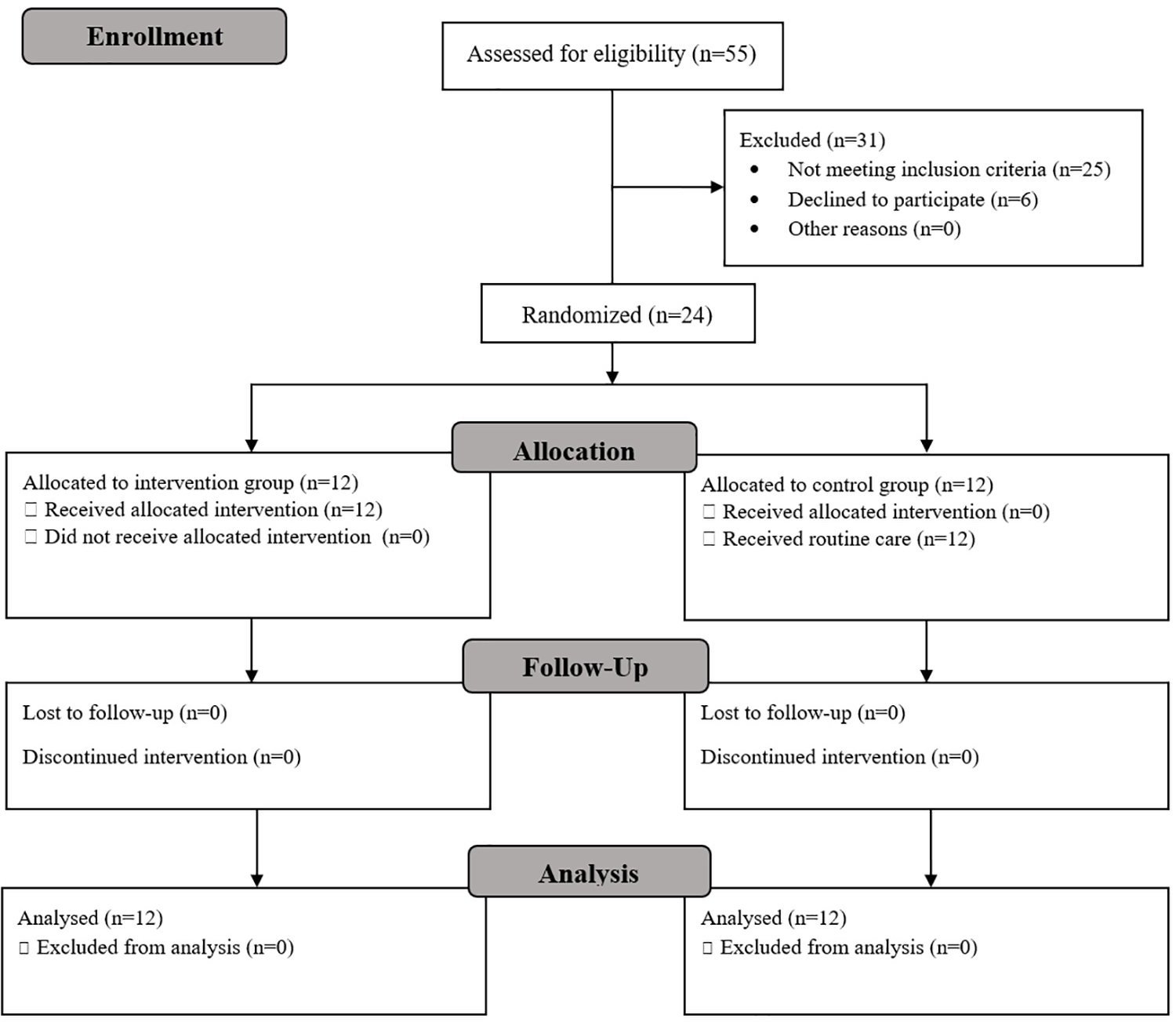
Figure 1. CONSORT flowchart of the study
The study data were collected using a demographic information form, Connor-Davidson Resilience Scale, and Psychosocial Adjustment to Illness Scale. The demographic features form included information about the participants’ age, sex and place.
The Connor-Davidson Resilience Scale was used to assess resilience. 22 This scale has five components including personal competence, trust in one’s instincts, positive acceptance of change and secure relationships, control, and spiritual influence. A Likert scale (0: completely false and 4: completely true) is scored. Higher scores indicate greater resilience. The validity of the scale has been confirmed using the convergent validity method. The results of Cronbach’s alpha coefficient was 0.89. 22 The reliability and validity of this scale were confirmed among heart patients, 23 and those of the Connor-Davidson Resilience Scale were evaluated by authors in the current study, as well. In this context, the 25-item version of the questionnaire was performed using different methods of face validity and content validity. In the psychometric process in the section of item impact, 2 items were deleted from the scale, and 23 items received scores of ≥1.5.
The content validity index of each item and Cohen’s kappa were acceptable. The content validity index was 0.91 and the content validity ratio was higher than 0.49. In addition, its reliability was calculated as 0.84, using the test-retest method. The final scale included 23 items to be used among the patients with chronic heart failure and the score range of these questionnaires was from 0 to 92.
The Psychosocial Adjustment to Illness Scale was designed by Derogatis. 24 This scale contained 46 questions divided into seven subscales, namely attitude towards the disease (eight items), vocational environment (six items), domestic environment (eight items), sexual relationships (six items), extended family relationships (five items), social environment (six items), and psychological disorders (seven items). The questions are set on a four-point Likert scale from not at all (score 0) to completely (score 3). From the sum of the scores of each component and from the division of the sum of the scores of all the questions by the number of questions, the average score of the total consistency is obtained. The score limit ranges from 0 to 138. Higher scores indicate poor adaptation status; in such a way, a score higher than 95 seems to indicate an unfavorable compatibility situation. 24 In Iran, the validity of the instrument was confirmed among patients with diabetes, and its reliability was approved by Cronbach’s alpha=0.94. 25 In the present study, the reliability and validity of the Psychosocial Adjustment to Illness Scale were investigated among the patients with heart failure. The validity of the item scale was assessed using face validity and content validity. In addition, its reliability was computed using the test-retest method. In the phase of qualitative face validity, 7 items were omitted, 2 were merged, and 2 were added to the scale. In the phase of quantitative face validity and item impact calculation, 1 item was omitted from the scale. In the content validity ratio (CVR), all 39 items scored 0.49 and higher. The content validity index (CVI) of each item and Cohen’s Kappa Coefficient was acceptable. The overall CVI of the instrument was 0.85. The reliability of the scale was 0.81. The score ranges from 0 to 117 and higher scores indicate poor adaptation status.
The reliability of this scale was calculated using the test-retest method for seven dimensions separately. The results show that the scale has acceptable reliability. These values were 0.81 for attitude toward the disease, 0.95 for vocational environment, 0.92 for domestic environment, 0.70 for sexual relationships, 0.80 for extended family relationships, 0.76 for social environment, and 0.84 for psychological disorders. The values obtained were acceptable in all dimensions. The overall reliability of the instrument was calculated to be 0.81.
After gaining permission and receiving an ethics code from Shiraz University of Medical Sciences and registration of the trial in Iranian Registry of Clinical Trials, other necessary permissions were obtained from Shahid Rajaei Heart Hospital. Then, the patients were explained about the study objectives and outcomes, and their written informed consent forms were obtained. After the patients were selected according to the inclusion criteria, they were allocated to two groups using permuted block randomization and were requested to complete the resilience and psychosocial adjustment to illness scale. In this study, the first researcher (RA) who performed the random assignment did not know about the assigned group. The home care unit authority at Shahid Rajaei Heart Hospital referred the patients to the technical authority of one of the home care centers who was responsible for assigning a nurse to each patient. After being discharged from Shahid Rajaei Hospital, the patients of the intervention group were given home care and face-to-face training and mental health follow-up by the first researcher (RA) for 6 weeks. He came to the patients’ homes and provided mental health education. Then, the training continued during 6 weeks (one session, each week). Each face-to-face training session lasted 60 minutes. Also, every 3 days, a phone call was made with the patient, so that a total of 15 follow-up calls were made. Mental health educational content for patients with chronic heart failure includes stress management, depression control, increasing self-confidence, methods of accepting the disease, and strategies for changing mental imagery. The educational content was reviewed and approved by two experts in the fields of cardiovascular and nursing. The control group received routine care. Two weeks after the completion of the training sessions, to avoid possible bias, the assistant researcher, who did not know about the allocation of patients to the groups, provided the resilience and social adaptation questionnaires to the two groups. After completing the questionnaires, the educational content was provided to the control group.
The data analysis was done using SPSS software version 19. The person who performed the statistical analysis was unaware of the nature of the intervention and control groups. After assessing the normal distribution of the data, descriptive and inferential statistics were used. Descriptive statistics included mean, standard deviation, frequency, and percentage. In addition, inferential statistics consisted of chi-square test, paired sample t-test, and independent samples t-test. P<0.05 was considered statistically significant.
After obtaining an introduction letter from the Ethics Committee of Shiraz University of Medical Sciences (ethics code: IR.SUMS.REC.1398.917), the researcher assured the participants about the confidentiality of their information and that they could withdraw from the study at any stage without any changes in their care. They were also provided with information about the study objectives, and their written informed consent forms were obtained. The control group participants were also provided with educational materials via social networks after the post-test. All methods were carried out in accordance with relevant guidelines and regulations.
RESULTS
There were no significant differences between the intervention and control groups in terms of demographic characteristics (P>0.05). The mean age of the intervention group and control groups had no significant difference (P=0.43). Also, the two groups did not differ significantly in terms of sex (P=0.68) and place of residence (P=0.1) (Table 1).
| Variables | Groups | P value | |
|---|---|---|---|
| Intervention Mean±SDa | Control Mean±SD | ||
| Age (year) | 40.25±7.10 | 37.58±9.11 | 0.43* |
| N (%) | N (%) | ||
| Sex | |||
| Male | 7 (58.30) | 6 (50.00) | 0.68** |
| Female | 5 (41.70) | 6 (50.00) | |
| Place of residence | |||
| Urban | 10 (83.34) | 11 (91.67) | 0.1*** |
| Rural | 2 (16.66) | 1 (8.33) | |
| a SD: Standard Deviation; *Independent samples t-test; **Chi-square test; ***Fisher’s exact test | |||
The results of Table 2 show that there was no significant difference between the two groups before the intervention in total and dimensional mean scores of psychosocial adjustment (P>0.05). Comparison of these mean scores between the intervention and control groups after the intervention showed significant differences in the dimensions of attitude towards the disease (P=0.002), social environment (P<0.001), psychological disorders (P=0.01), sexual relationships (P=0.01), vocational environment (P=0.01), domestic environment (P=0.007), extended family relationships (P=0.04), and total score of psychosocial adjustment (P=0.02) (Table 2).
| Variables | Time | Groups | P value* | |
|---|---|---|---|---|
| Intervention Mean±SDa | Control Mean±SD | |||
| Attitude towards the disease | Before the intervention | 10.75±3.3 | 9.17±2.37 | 0.12 |
| After the intervention | 6.00±1.91 | 9.42±2.50 | 0.002 | |
| P value** | 0.02 | 0.25 | ||
| Social environment | Before the intervention | 12.50±2.07 | 12.83±2.21 | 0.71 |
| After the intervention | 6.75±2.30 | 12.55±2.18 | <0.001 | |
| P value** | 0.003 | 0.13 | ||
| Psychological disorders | Before the intervention | 8.83±3.93 | 7.67±3.93 | 0.11 |
| After the intervention | 6.17±1.05 | 7.56±1.36 | 0.01 | |
| P value** | >0.001 | 0.83 | ||
| Sexual relationships | Before the intervention | 5.58±3.09 | 6.12±0.62 | 0.21 |
| After the intervention | 4.33±2.24 | 6.69±0.74 | 0.01 | |
| P value** | 0.004 | 0.25 | ||
| Vocational environment | Before the intervention | 6.17±2.08 | 6.25±1.36 | 0.97 |
| After the intervention | 5.42±1.31 | 6.17±1.70 | 0.01 | |
| P value** | 0.17 | 0.97 | ||
| Domestic environment | Before the intervention | 9.25±1.96 | 8.42±1.16 | 0.22 |
| After the intervention | 6.00±2.00 | 8.00±1.04 | 0.007 | |
| P value** | 0.001 | 0.21 | ||
| Extended family relationships | Before the intervention | 4.58±1.38 | 4.50±0.52 | 0.43 |
| After the intervention | 3.58±1.00 | 5.42±0.51 | 0.04 | |
| P value** | 0.31 | 0.38 | ||
| Psychosocial adjustment total score | Before the intervention | 61.00±4.39 | 58.42±4.38 | 0.26 |
| After the intervention | 39±6.86 | 58.83±3.24 | 0.02 | |
| P value** | 0.005 | 1.00 | ||
| aSD: Standard Deviation; *Independent samples t-test; **Paired sample t-test | ||||
Psychosocial adjustment scores in the intervention group before and after the intervention in the dimensions of attitudes toward disease (P=0.02), social environment (P=0.003), psychological disorders (P>0.001), sexual relations (P=0.004), domestic environment (P=0.001), and total score of psychosocial adjustment (P=0.005) had a statistically significant difference (Table 2).
After the intervention, there was a significant difference in the mean score of resilience between the intervention and control groups (P=0.001). The mean resilience score in the intervention group increased after the intervention (P=0.02). However, no significant difference was observed in the control group (P=0.32) (Table 3).
| Variables | Time | Groups | P value*> | |
|---|---|---|---|---|
| Intervention Mean±SDa | Control Mean±SD | |||
| Personal competence | Before intervention | 6.91±1.91 | 7.42±2.50 | 0.13 |
| After intervention | 10.75±3.33 | 7.17±2.37 | 0.006 | |
| P value** | 0.001 | 0.87 | ||
| Trust in one’s instincts | Before intervention | 12.40±2.30 | 12.83±2.21 | 0.87 |
| After intervention | 18.50±2.07 | 12.55±2.18 | >0.001 | |
| P value** | >0.001 | 0.75 | ||
| Positive acceptance of change and secure relationships | Before intervention | 9.83±3.93 | 7.67±2.27 | 0.16 |
| After intervention | 10.67±2.50 | 7.17±2.69 | 0.002 | |
| P value** | 0.002 | 0.54 | ||
| Control | Before intervention | 6.17±2.08 | 6.25±1.36 | 0.97 |
| After intervention | 9.42±1.31 | 6.17±1.70 | 0.04 | |
| P value** | 0.91 | 0.97 | ||
| Spiritual influences | Before intervention | 7.1±2.3 | 5.67±1.98 | 0.12 |
| After intervention | 10.25±1.96 | 5.88±1.04 | 0.001 | |
| P value** | 0.001 | 0.63 | ||
| Resilience | Before intervention | 38.00±6.06 | 37.52±14.33 | 0.63 |
| After intervention | 49.75±15.59 | 35.70±13.77 | 0.001 | |
| P value** | 0.02 | 0.32 | ||
| aSD: Standard Deviation; *Independent samples t-test; **Paired sample t-test | ||||
DISCUSSION
This study showed that after mental health education, resilience and psychological adjustment of intervention groups improved in comparison to the control group.
A study showed that individuals with chronic conditions such as heart disease might benefit from resilience, as it may improve their psychological well-being and their coping and adaptation to their illness. 26 Another study demonstrated that resilient patients were resourceful and flexible, could adjust to environmental changes, and recovered quickly from stressful situations. On the other hand, individuals with low resilience may be more vulnerable to their disease conditions and may have a slower recovery from stress. 27 Besides, psychological well-being in patients with heart failure can be increased using interventions such as resiliency education programs and psychological treatments focusing on hope. 28 Another study showed that various social support categories were directly associated with higher quality of life and adjustment in cardiac patients. 29
The present study findings indicated improvement in psychosocial adjustment after the mental health education in the intervention group. A systematic review on the impact of education regarding disease knowledge, medication adherence, smoking cessation, physical activity, and healthy dietary behavior for secondary prevention on psychological outcomes showed that such interventions were found to significantly reduce depressive and anxiety symptoms and clinical depression and anxiety rates in patients with coronary heart diseases compared to usual care controls. 30 Individuals with congenital heart disease face a range of potential adverse life experiences that may affect psychological, social, educational, vocational‚ and medical outcomes across the life span. Awareness of patients’ psychological needs is a necessary yet insufficient approach to comprehensive care. 31
Another study explored the impact of perceived social support on psychosocial adjustment among patients with ischemic heart disease and came to the conclusion that social factors were effective in the patients’ adjustment. 32 In other words, social factors including support on the part of family, friends, and others could increase the patients’ psychosocial adjustment which was in line with the findings of the present research. Moreover, the results of the abovementioned study revealed a positive correlation between social support and psychosocial adjustment among the patients. Another study implies that psychosocial aspects of life should be considered in the management of patients with heart failure and they also affect the adherence to treatment. 33
Based on what was mentioned above, various factors like support on the part of family and friends could affect mental health and consequently psychosocial adjustment, eventually promoting the patients’ coping behaviors. For instance, the aforementioned factors could modify stress, help patients accept the new condition, and enhance their resilience. 29 In other words, these factors could help patients with heart failure select efficient coping strategies even under difficult circumstances, thereby improving the process of compatibility with the disease. 16
One of the strengths of the present study was the use of comprehensive educational content for the intervention. Due to some limitations, sampling was performed only in Rajaei Hospital, which could affect the generalizability of the results to the whole population of patients with heart failure in Iran. Furthermore, after completing the intervention in the study, the percentage of decline in the readmission rate was not determined among the patients who received mental health education at home.
CONCLUSION
The present study findings demonstrated that mental health education could enhance resilience and psychosocial adjustment amongst the patients with heart failure covered by consultation and home care received. This is of paramount importance because increasing patients’ resilience and psychosocial adjustment can help improve the treatment process and prevent readmission and the related costs. Future research suggested that the rate of re-hospitalization studied in heart failure patients who receive mental health education at home.
Acknowledgment
This article was extracted from Ramin Avazpour’s MSc thesis, which was financially supported by Shiraz University of Medical Sciences. Hereby, the authors would like to thank the Research Vice-chancellor of the University, personnel of Rajaei Heart Hospital, and all patients for their cooperation.
Authors’ Contribution
L.Z, RA, SHY, and NN were responsible for the conceptualization and design of this study. Data collection was conducted by RA. RA, LZ, and SHY contributed to data analysis. RA, and LZ drafted the manuscript and reference check. All authors critically reviewed and approved the final version of the manuscript. All authors take responsibility for the integrity of the data and the accuracy of the data analysis. The corresponding author attests that all listed authors meet authorship criteria and that no others meeting the criteria have been omitted.
Funding Source
The research funds were provided by the Vice-Chancellor for Research and Technology of Shiraz University of Medical Sciences (Grant No IR.SUMS.REC.1398.917).
Conflict of Interest
None declared.
Declaration on the use of AI
The authors of this manuscript declare that no artificial intelligence (AI) was used.
References
- McDonagh TA, Metra M, Adamo M, et al. 2021 ESC Guidelines for the diagnosis and treatment of acute and chronic heart failure. Eur Heart J. 2021; 42:3599-726.
- Van Nuys KE, Xie Z, Tysinger B, et al. Innovation in heart failure treatment: life expectancy, disability, and health disparities. JACC Heart Failure. 2018; 6:401-9.
- Schwinger RH. Pathophysiology of heart failure. Cardiovascular Diagnosis and Therapy. 2021; 11:263-76.
- Jensen J, Schou M, Kistorp C, et al. Prevalence of heart failure and the diagnostic value of MR‐proANP in outpatients with type 2 diabetes. Diabetes, Obesity and Metabolism. 2019; 21:736-40.
- Savarese G, Lund LH. Global public health burden of heart failure. Cardiac Failure Review. 2017; 3:7-11.
- Mo Y, Wang H, Huang G, et al. Effectiveness of nurse-led program on mental health status and quality of life in patients with chronic heart failure. Medicine. 2020; 99:e21746.
- Wong FKY, Ng AYM, Lee PH, et al. Effects of a transitional palliative care model on patients with end-stage heart failure: a randomised controlled trial. Heart. 2016; 102:1100-8.
- Sezgin D, Mert H, Özpelit E, et al. The effect on patient outcomes of a nursing care and follow-up program for patients with heart failure: A randomized controlled trial. International Journal of Nursing Studies. 2017; 70:17-26.
- Babu R, Sanee P, Rath A, et al. Impact of Nurse-Led Patient Education on Reducing Hospital Readmission Rates in the Context of SDG 3. Vascular and Endovascular Review. 2025; 8:288-97.
- Al aateibi BS, Sadoun MM, Alnuaimi NR, et al. Comprehensive Review of Nurses’ Role in Chronic Disease Management: Collaborative Care Approaches. Journal of Ecohumanism. 2024; 3:6651-9.
- Näsström L, Jaarsma T, Idvall E, et al. Patient participation in patients with heart failure receiving structured home care-a prospective longitudinal study. BMC Health Services Research. 2014; 14:633.
- Yumino D. Home Medical Care for Heart Failure. Yakugaku Zasshi: Journal of the Pharmaceutical Society of Japan. 2016; 136:1133-6. [In Japanese].
- Sherwood A, Blumenthal JA, Koch GG, et al. Effects of coping skills training on quality of life, disease biomarkers, and clinical outcomes in patients with heart failure: a randomized clinical trial. Circulation: Heart Failure. 2017; 10:e003410.
- Russo C, Calo O, Harrison G, et al. Resilience and coping after hospital mergers. Clinical Nurse Specialist. 2018; 32:97-102.
- Anderson LA. Rethinking resilience theory in African American families: Fostering positive adaptations and transformative social justice. Journal of Family Theory & Review. 2019; 11:385-97.
- Sahranavard S, Ahadi H, Taghdisi MH, et al. The role of psychological factors on the psychological and social adjustment through the mediation of ischemic heart disease hypertension. Iranian Journal of Health Education and Health Promotion. 2017; 5:139-46. [in persian].
- Al Ali NM, Al Ramamneh IS. Resilience of patients with coronary heart diseases in Jordan: A cross-sectional study. International Journal of Nursing Sciences. 2021; 9:86-91.
- Glenn T, Cousino MK, Wernovsky G, et al. Resilient hearts: measuring resiliency in young people with congenital heart disease. Journal of the American Heart Association. 2023; 12:e029847.
- Karataş T, Bostanoğlu H. Perceived social support and psychosocial adjustment in patients with coronary heart disease. International Journal of Nursing Practice. 2017; 23:e12558.
- Veroff DR, Sullivan LA, Shoptaw E, et al. Improving self-care for heart failure for seniors: the impact of video and written education and decision aids. Population Health Management. 2012; 15:37-45.
- Wang X, Gao J, Zhang J, et al. Factors associated with psychological resilience in patients with chronic heart failure and efficacy of psycho-cardiology intervention. American Journal of Translational Research. 2022; 14:4104-13.
- Connor KM, Davidson JR. Development of a new resilience scale: The Connor‐Davidson resilience scale (CD‐RISC). Depression and Anxiety. 2003; 18:76-82.
- Amirpour B. Comparison of Resiliency and depression in cardiac patients and normal people. Razi Journal of Medical Sciences. 2014; 21:73-82. [in persian].
- Derogatis LR. The psychosocial adjustment to illness scale (PAIS). Journal of Psychosomatic Research. 1986; 30:77-91.
- Aghili R, Khamseh ME, Malek M, et al. Development and validation of diabetes empowerment questionnaire in I ranian people with type 2 diabetes. International Nursing Review. 2013; 60:267-73.
- Abbasmofrad H, Abootalebi S. The Relationship between Resilience and Depression in Patients with Cardiovascular Disease. Journal of Modern Psychology. 2023; 3:29-34.
- Hashemi Z, Aghajanihashjin T, Shokrgozar AR. The Relationship of Spiritual Wellbeing with Mental Health, Resilience and Life Expectancy in Cardiovascular Patients of Jam Hospital in Tehran. Journal of Research on Religion and Health. 2022; 8:42-52.
- Rezai S, Dehghanzadeh S, Akbari B. Spiritual well-being of people with heart failure: The role of resiliency and life expectancy. Iranian Journal of Cardiovascular Nursing. 2019; 7:14-23. [in persian].
- Wenn P, Meshoyrer D, Barber M, et al. Perceived social support and its effects on treatment compliance and quality of life in cardiac patients. Journal of Patient Experience. 2022; 9:23743735221074170.
- Shi W, Ghisi GL, Zhang L, et al. A systematic review, meta-analysis, and meta-regression of patient education for secondary prevention in patients with coronary heart disease: impact on psychological outcomes. European Journal of Cardiovascular Nursing. 2022; 21:643-54.
- Kovacs AH, Brouillette J, Ibeziako P, et al. Psychological outcomes and interventions for individuals with congenital heart disease: a scientific statement from the American Heart Association. Circulation: Cardiovascular Quality and Outcomes. 2022; 15:e000110.
- Karataş T, Bostanoğlu H. Perceived social support and psychosocial adjustment in patients with coronary heart disease. International Journal of Nursing Practice. 2017; 23:e12558.
- Djafari Naeini S, Razavi N, Taheri M, et al. The association between self efficacy, perceived social support and adherence to treatment in patients with heart failure. Multidisciplinary Cardiovascular Annals. 2020; 11: e98118.

